Mera Peak Climbing
Standing at 6,476 meters (21,247 feet) in the reference material, Mera Peak rises dramatically above the remote landscapes of Nepal's Himalayas. For adventurous travelers, climbing Mera Peak is much more than reaching a summit. It is a journey through the beautiful Hinku Valley, remote mountain settlements, glacial landscapes, and finally onto the snow and ice of one of Nepal's famous trekking peaks.
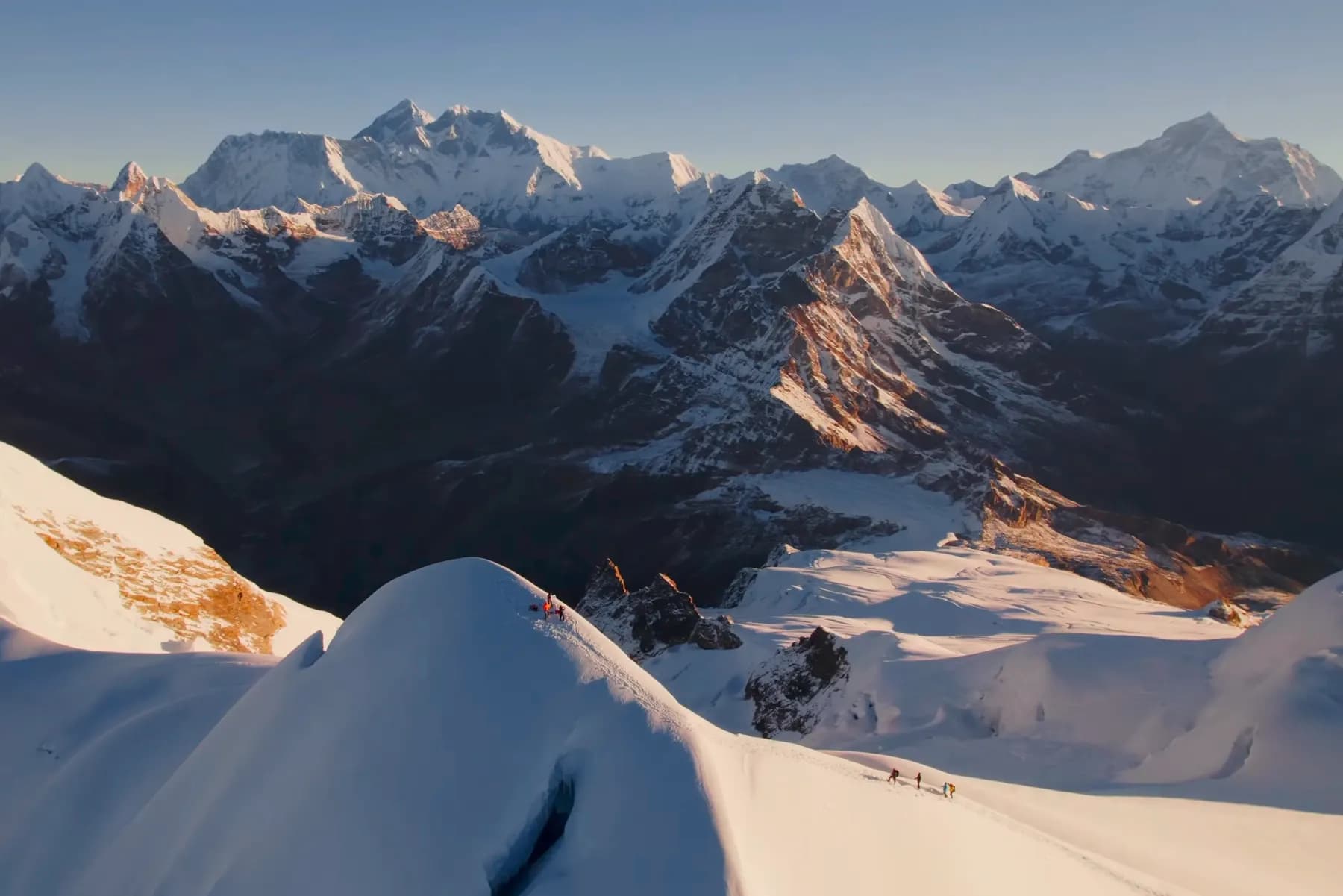
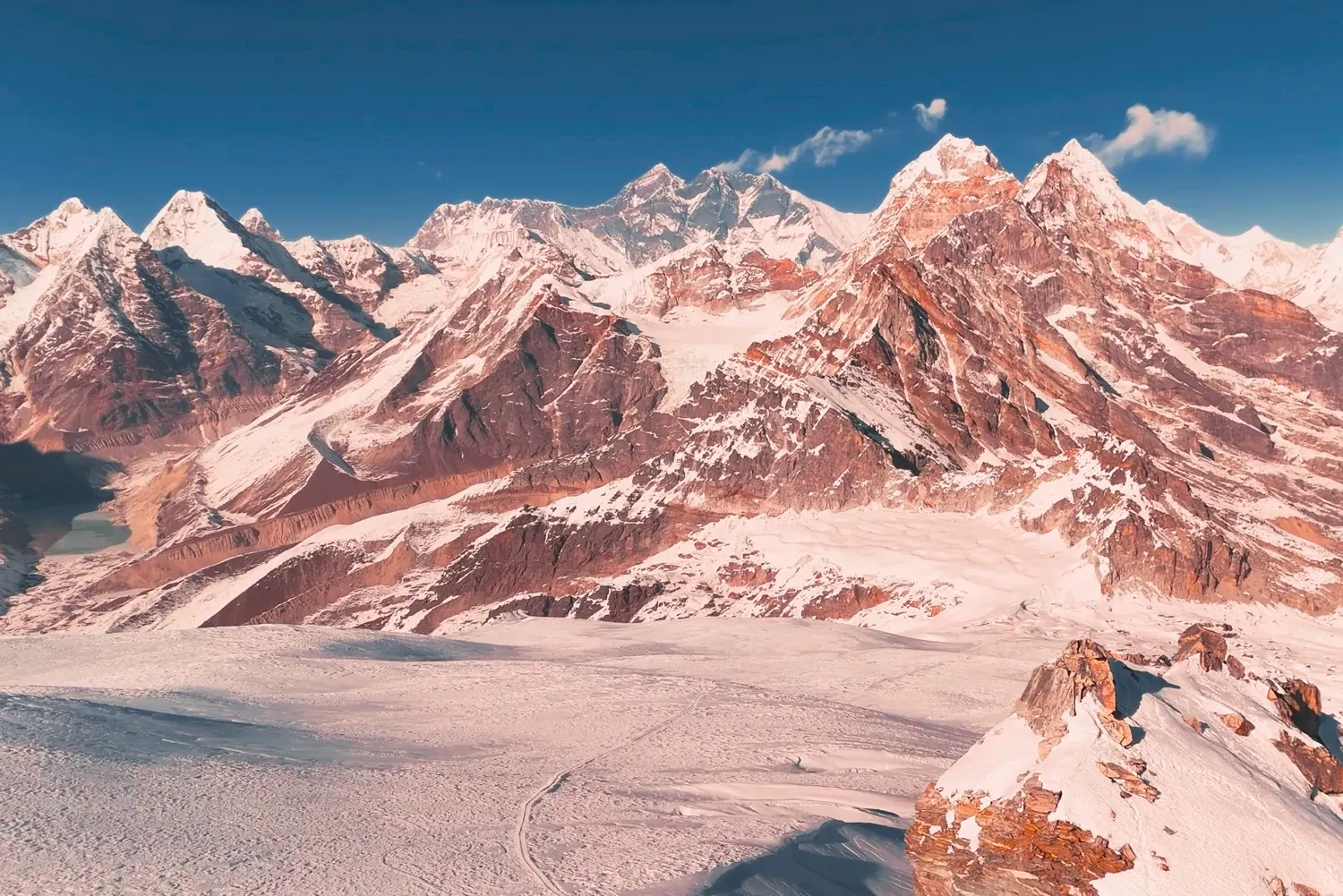
The reward comes at the top. After days of trekking and climbing, you can look across an incredible Himalayan panorama, with some of the world's highest mountains visible from the summit. The climb is challenging and demands physical fitness, mental strength, proper preparation, and respect for the mountain, but that difficulty is what makes reaching the summit so satisfying.
How Many Days Do You Need for Mera Peak?
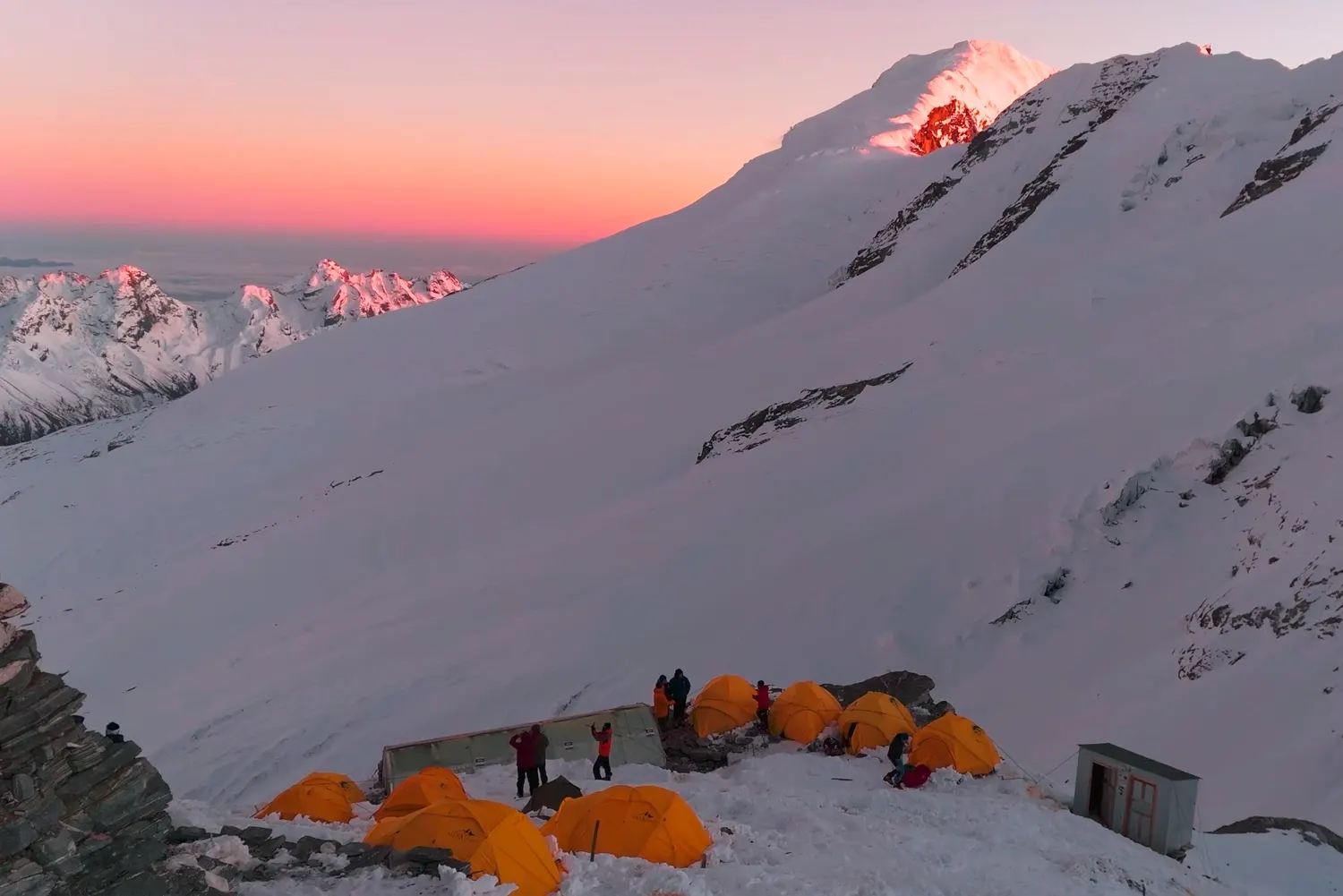
A Mera Peak climbing adventure can be planned in different ways depending on your experience, fitness, budget, and how much time you want to spend exploring the Hinku Valley. The reference itinerary suggests that a 15-day trip can work for travelers looking for a more efficient expedition with acclimatization, while 20-22 days gives you more time to travel slowly, enjoy the landscape, and experience Sherpa culture.
For most travelers, giving yourself extra days is a sensible choice. Mountain weather can change quickly, and your body needs time to adjust to increasing altitude. An extra day is not wasted time in the Himalayas, it can give you the flexibility needed for a safer and more enjoyable climb.
Best Time to Climb Mera Peak
The best periods mentioned in the reference are pre-monsoon, from April to May, and post-monsoon, from September to November. These seasons generally offer more favorable conditions for climbing and the possibility of spectacular Himalayan views.
Spring brings a fresh feeling to the mountains, with changing landscapes and longer days, while autumn follows the monsoon and can offer beautiful mountain scenery. Whichever season you choose, remember that high-altitude weather is unpredictable. A clear morning can change quickly, and summit plans should always depend on actual mountain conditions rather than the calendar alone.
How to Reach Mera Peak
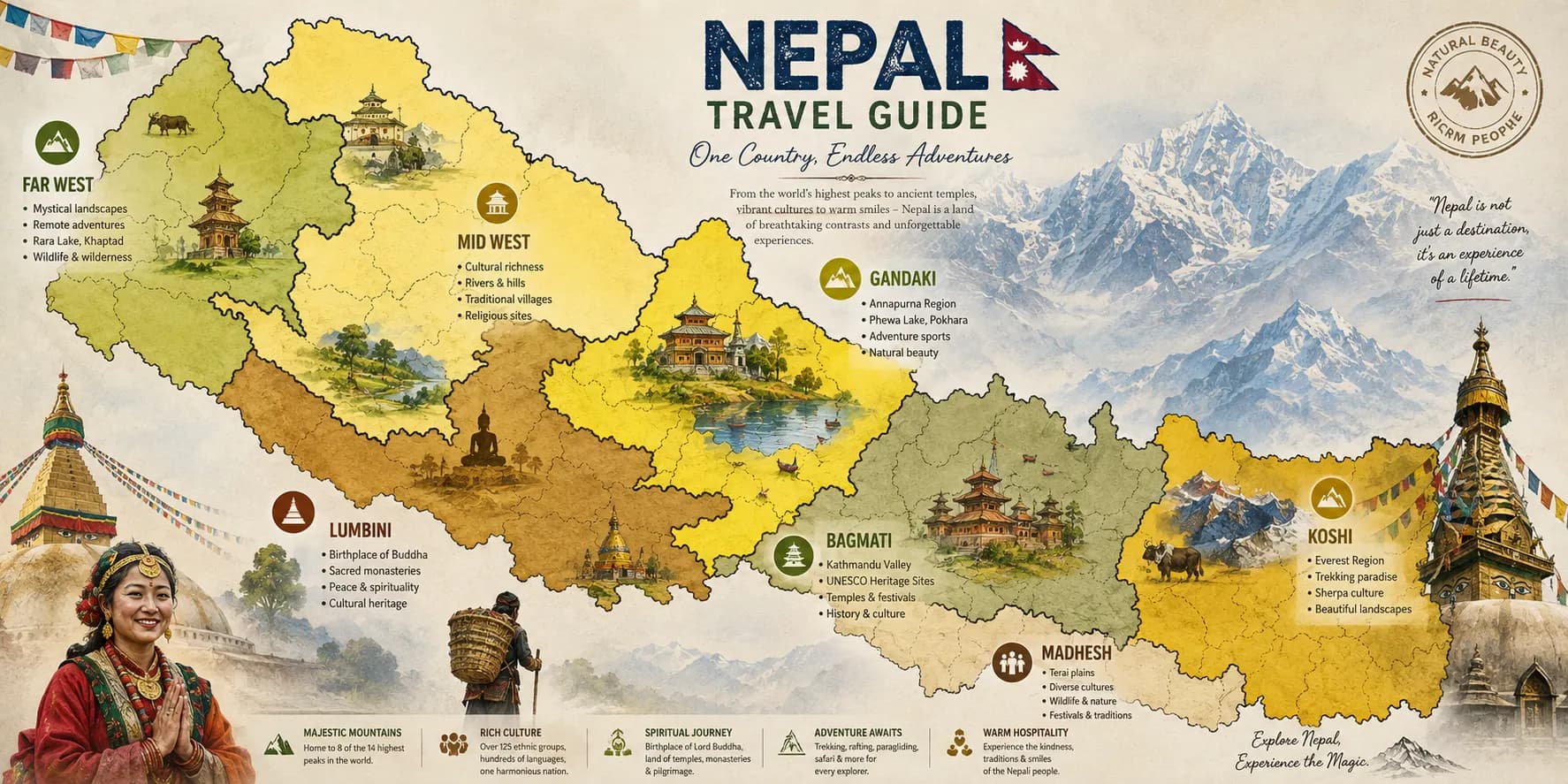
The traditional journey to Mera Peak begins with a spectacular mountain flight from Kathmandu to Lukla, located at around 2,800 meters. From Lukla, travelers can choose different trekking approaches toward the mountain.
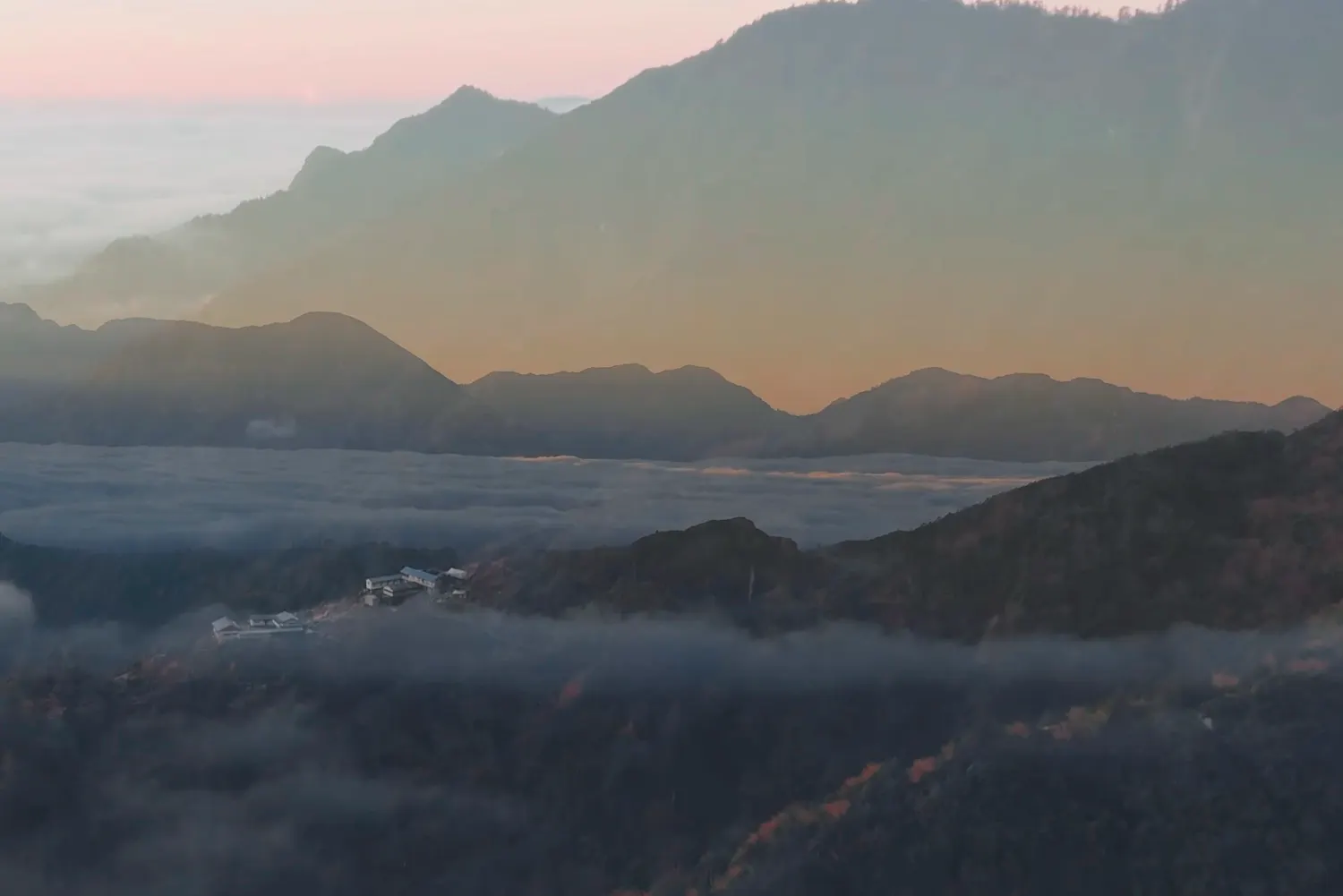
One approach follows a higher route through Chutanga, Zatra La Pass, Thulikharka and Kothe, offering dramatic mountain scenery along the way. Another follows a lower route through places including Paiya, Pangkoma, Nigmsa, Chetrakhoangla, Kothe, Thangnak and Khare before continuing toward Mera Base Camp, High Camp and the summit.
There is also an overland option. Travelers who prefer to avoid flying can travel by road toward Kharikhola or Maha Kulung and then begin trekking, although the journey can take considerably longer.
The route you choose depends on your available time, trekking experience, and the type of Himalayan experience you want. The higher approach provides spectacular scenery, while the lower route allows you to experience a wider variety of landscapes and villages.
The Journey Through Hinku Valley
One of the most beautiful parts of Mera Peak climbing is the journey through the Hinku Valley.
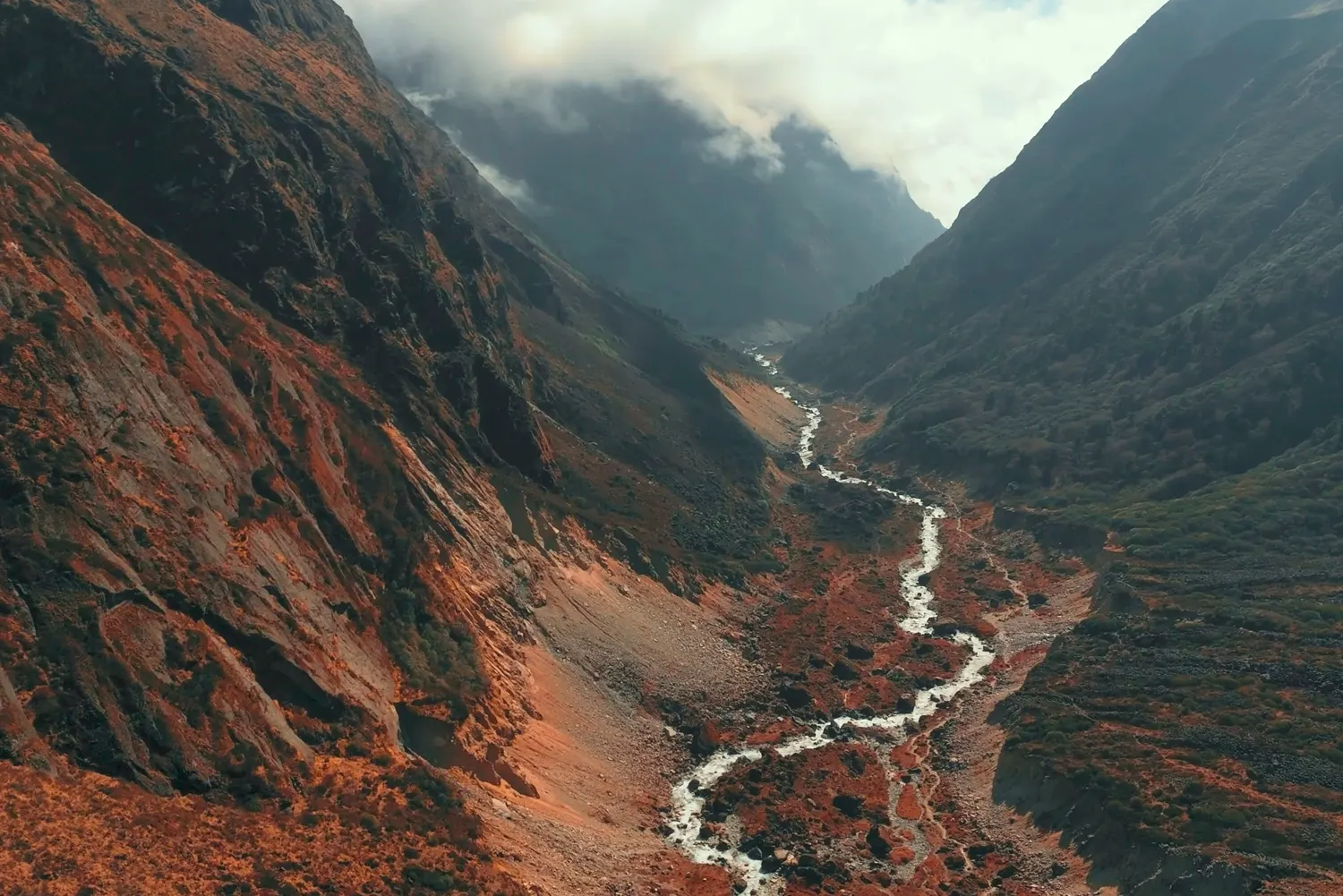
The landscape changes gradually as you move deeper into the Himalayas. Forested trails give way to rugged mountain terrain, remote settlements appear along the route, and the surrounding peaks become increasingly impressive.
This gradual transformation makes Mera Peak feel like a real expedition. You do not simply arrive at the mountain. You walk toward it, step by step, watching the landscape change around you.
By the time you reach the higher sections, the environment feels completely different from the busy streets of Kathmandu where your journey began.
Mera Peak Climbing: How Challenging Is It?
Mera Peak is a challenge for determined travelers. The reference describes it as Alpine Grade PD, involving technical sections and steep terrain, particularly during the final ascent. It is considered less daunting than some other popular climbing peaks, but that does not mean it should be underestimated.
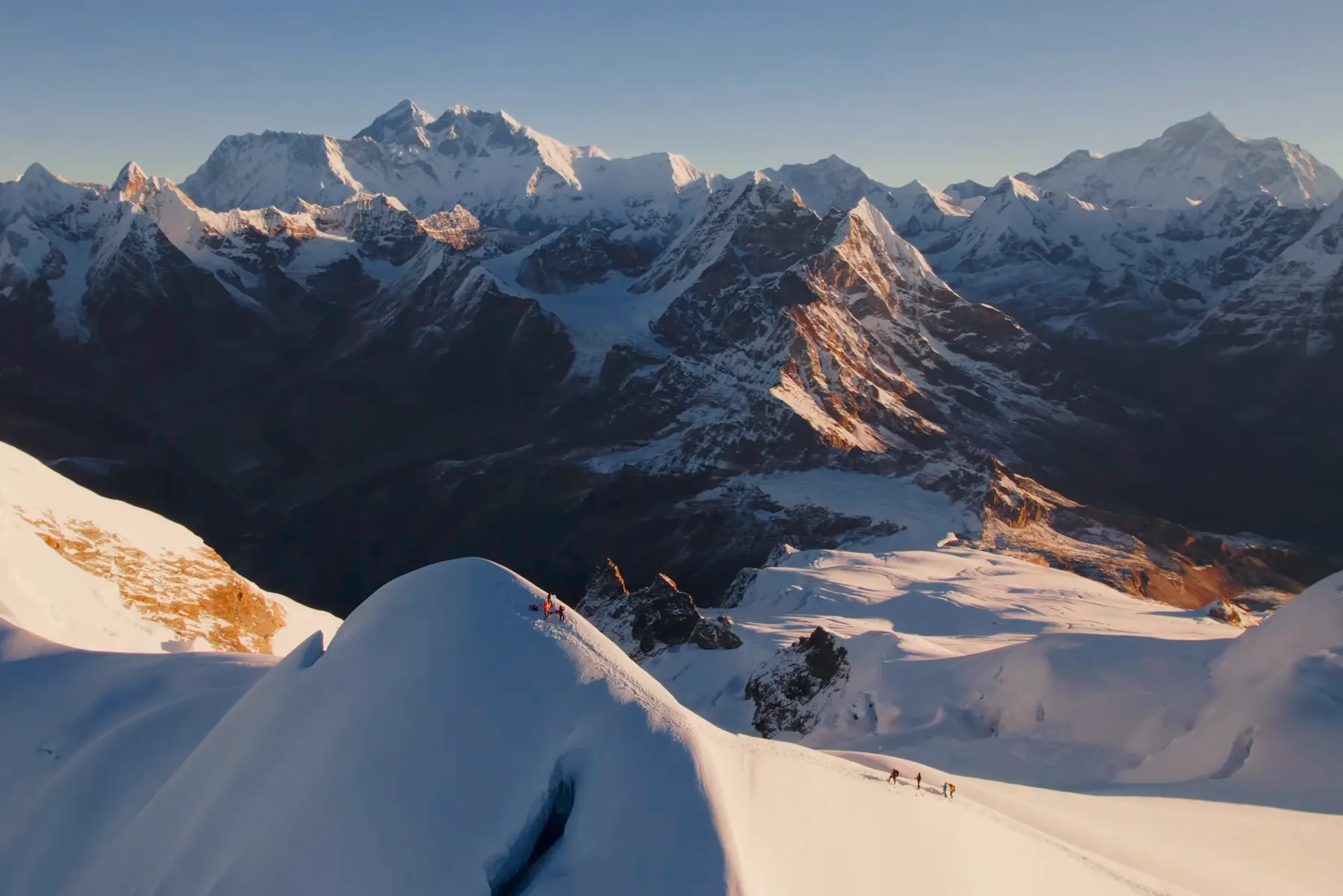
The real challenge comes from combining physical effort with altitude. Long trekking days, cold temperatures, steep terrain, snow and thin air can test even fit travelers.
You need both physical fitness and mental resilience.
There will be moments when your legs feel heavy and the summit seems far away. The key is to stay patient, follow your guide's instructions, maintain a steady pace, and allow your body enough time to adapt to the altitude.
The Most Challenging Day: Summit Day
The summit day is when the entire expedition becomes a true climbing adventure.
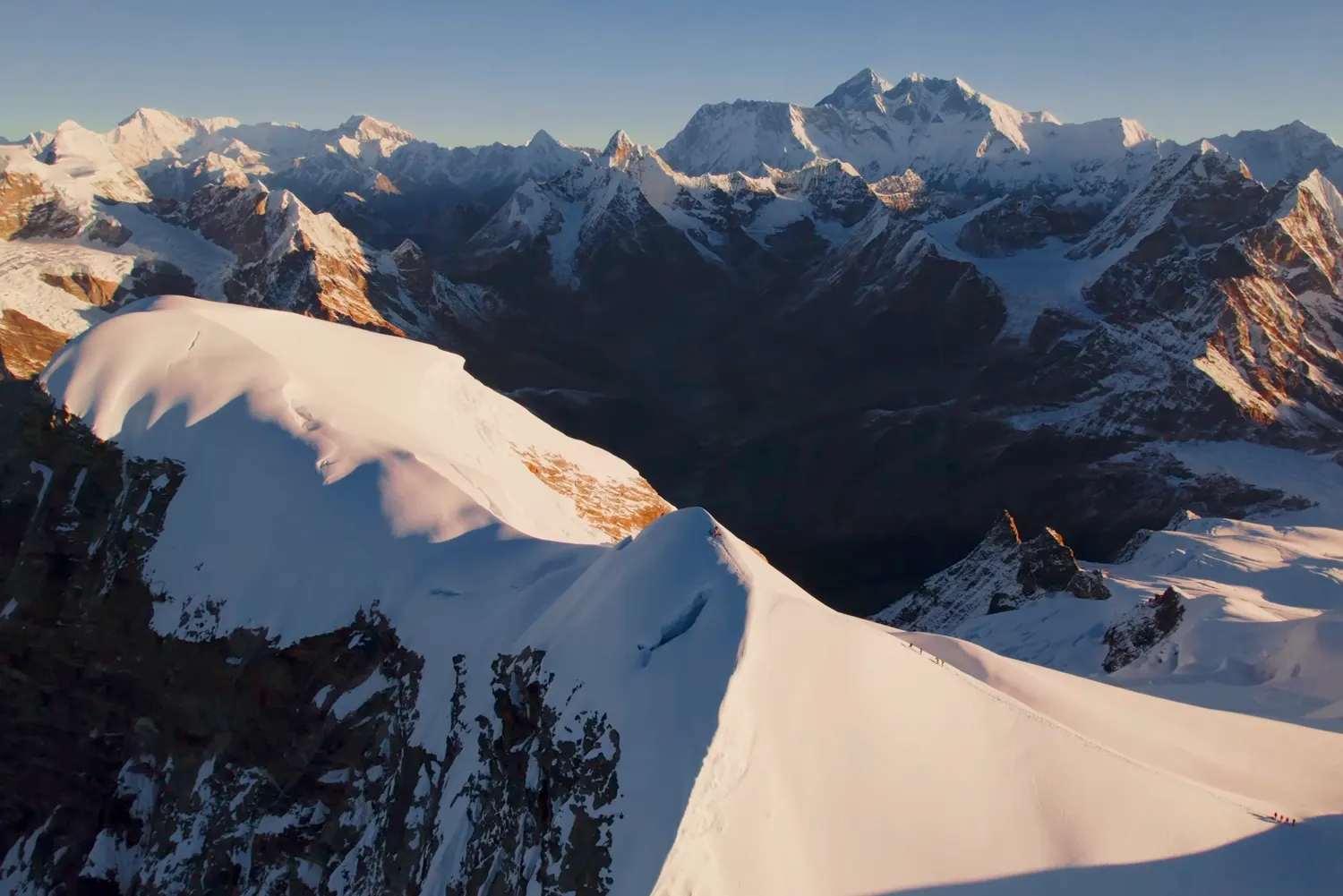
After spending days trekking toward Mera Peak and acclimatizing at higher elevations, you finally leave camp for the summit. The air is cold, the surroundings are covered with snow and ice, and every step requires concentration.
The higher you climb, the harder the thin air makes the effort feel.
But there is also something incredibly motivating about watching the Himalayan horizon slowly open around you. The mountains become clearer, the valleys fall farther below, and the summit that once seemed impossibly high begins to feel within reach.
Reaching the top is not simply about physical strength. It is about patience, determination, teamwork, and knowing when conditions are safe enough to continue.
And when you finally stand on the summit, the reward is extraordinary.
The Himalayas stretch around you, with breathtaking views toward some of the world's highest mountains.
That is the moment many climbers remember long after they have returned home.
Mera Peak Climbing Permits
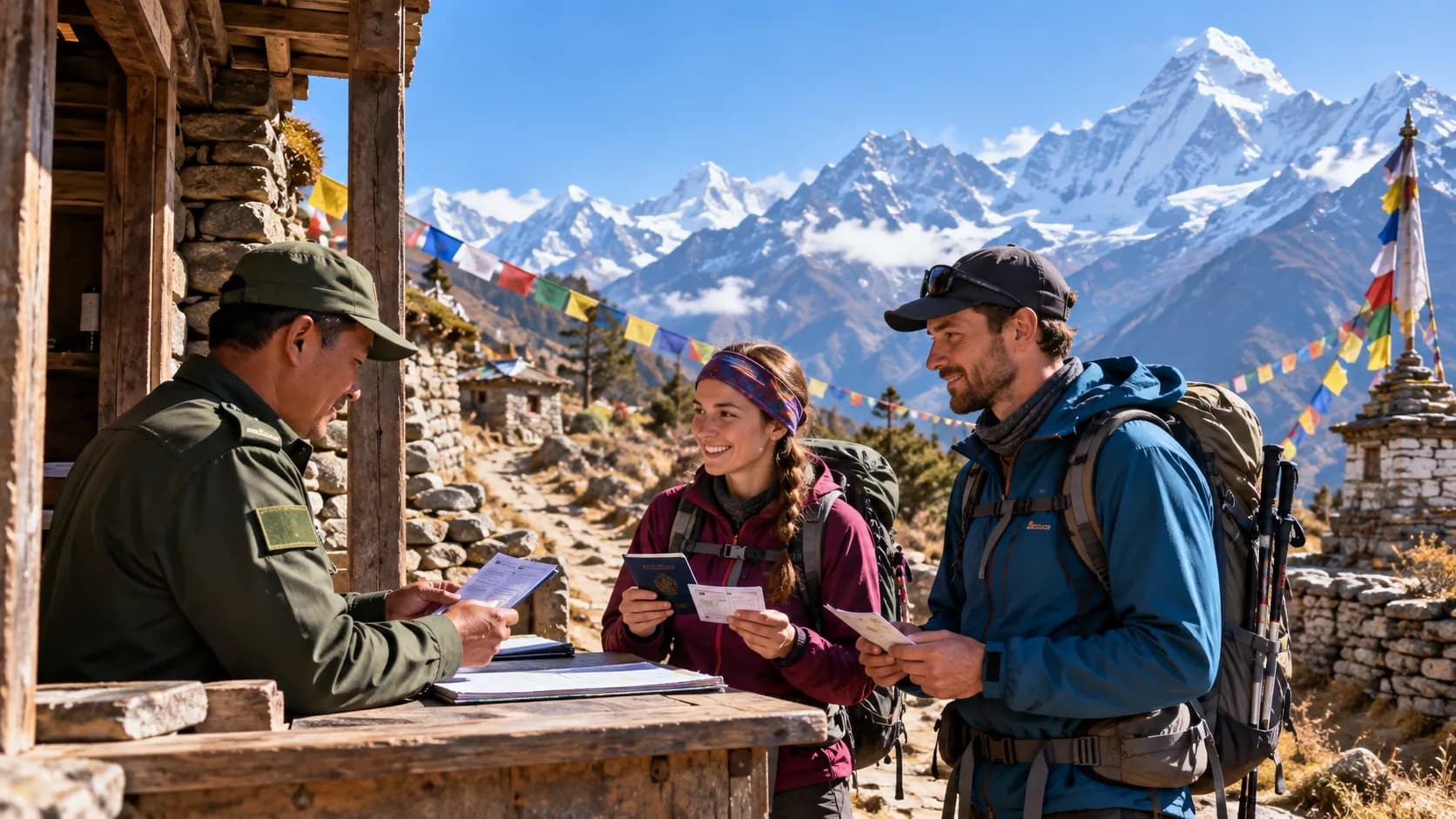
Mera Peak requires special climbing permission as well as the relevant trekking and protected-area permits.
The reference material lists climbing permit costs of USD 250 in spring and USD 125 in autumn, along with trekking permits and National Park fees.
Because government fees can change, travelers should confirm the current permit rates before booking their expedition. Your trekking or climbing agency should also explain which permits are included in your package and which costs you need to pay separately.
The important thing is not to begin the expedition without the required permissions and documentation.
Where to Stay During Mera Peak Climbing
Mera Peak is primarily a camping expedition, especially as you move toward the higher sections of the mountain. At lower elevations, you can stay in teahouses and lodges along the trekking route, where you can enjoy a warm meal and a comfortable place to rest after a long day.
As you approach the climbing section, the accommodation becomes much more basic. Tents, sleeping bags and mountain camps replace the lodges.
That change is part of the experience.
One evening you may be sitting inside a simple mountain lodge surrounded by fellow trekkers. A few days later, you may be sleeping inside a tent beneath a sky filled with Himalayan stars.
Food on the Mera Peak Trek
Food becomes especially important when you are walking for several hours every day.
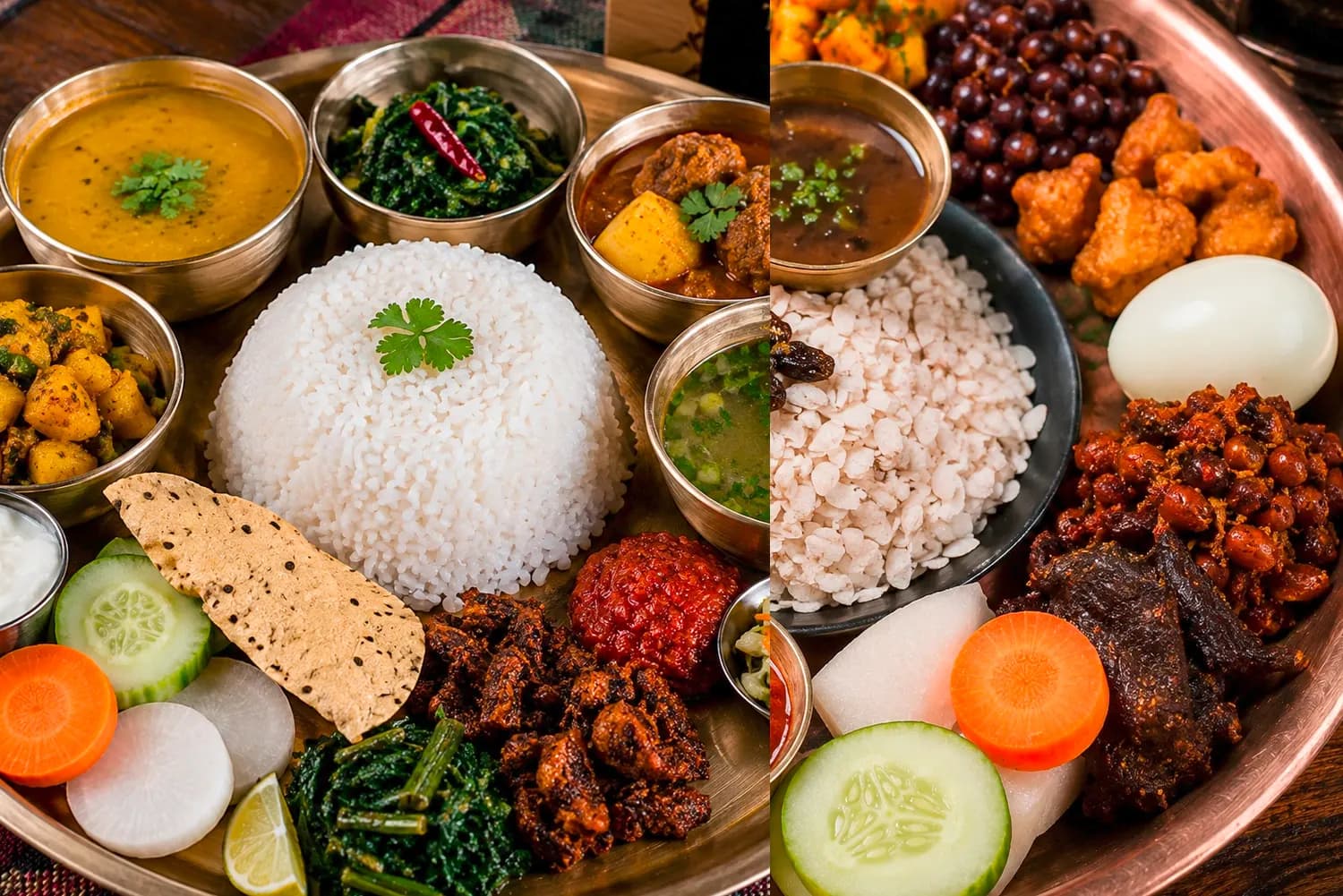
Along the trekking route, you can expect simple but filling meals designed to provide energy for the journey. The reference material notes that mountain packages commonly include breakfast, lunch and dinner during the expedition.
Traditional Nepali meals, rice, lentils, vegetables, noodles, potatoes, soups and other mountain foods can help keep trekkers fueled.
At higher camps, meals become simpler because everything must be carried and prepared in a more demanding environment.
After a long, cold day on the trail, a hot meal and warm drink can feel like a luxury.
Preparing Your Body for Mera Peak
Preparation should begin well before you arrive in Nepal.
Mera Peak requires cardiovascular fitness, leg strength, endurance and mental resilience. The reference recommends focusing on cardiovascular conditioning, strength training and altitude-related preparation before the expedition.
Long hikes are particularly useful because they help your body become comfortable with spending many hours on your feet.
Uphill walking, stair climbing, running, cycling and strength exercises can all help build endurance. If possible, train with a backpack so your body becomes accustomed to carrying equipment.
But physical fitness is only part of the preparation.
You also need to prepare mentally for cold temperatures, long days, difficult terrain and moments when the mountain feels much harder than expected.
Mera Peak Climbing Equipment
Good equipment is essential for a safe and successful climb.
The reference includes technical equipment such as climbing boots, crampons, a harness, helmet, ice axe, ascender, carabiners, climbing rope, belay equipment, slings, gloves, trekking poles, headlamp, sleeping bag and other climbing equipment.
Your climbing agency should provide a complete equipment list before departure. Some group climbing equipment may be included in the package, while personal gear can often be purchased or rented in Kathmandu.
Do not choose equipment simply because it looks good or is inexpensive. High-altitude climbing equipment needs to be appropriate for the conditions and properly fitted.
Why a Professional Guide Matters
Mera Peak is not a mountain where you want to learn everything through trial and error.
The reference strongly emphasizes the value of a professional guide, particularly for first-time climbers. An experienced guide and climbing crew can provide local knowledge, route experience and additional safety during the expedition.
A good guide can also help you make important decisions about weather, acclimatization, pacing and summit conditions.
The mountain will always be there.
There is no shame in turning around when conditions are unsafe.
A successful expedition means returning home safely.
Mera Peak Climbing Cost
The cost of a Mera Peak expedition depends on the size of your group and the services included.
The reference gives example prices of approximately USD 2,300 for solo travelers, USD 2,100 per person for groups of 2-6, and USD 2,000 per person for groups of 7-10. These figures come from the supplied reference and should be confirmed with an operator because prices and government fees can change.
Packages may include airport transfers, Kathmandu accommodation, flights between Kathmandu and Lukla, permits, professional trekking and climbing guides, porter services, mountain accommodation, meals, staff costs and group climbing equipment.
You should also plan separately for personal climbing equipment, travel insurance, tips, personal medication, extra food and drinks, souvenirs, and emergency rescue or evacuation expenses.
Is Mera Peak Worth Climbing?
Mera Peak is worth climbing if you are looking for something more challenging than a typical Himalayan trek. It is not an easy holiday, and that is exactly what makes the experience so rewarding. You will walk long distances, spend nights at high altitude, face cold temperatures, carry climbing equipment, and eventually make your way across snow and ice toward the summit.
But the difficulty is what makes the journey special. You begin among forests and mountain villages, surrounded by the natural beauty of the lower Himalayas. As you climb higher, the landscape gradually becomes quieter, wilder, and more dramatic. The air becomes thinner, the trails more demanding, and the mountains seem to grow larger with every step.
Eventually, you find yourself surrounded by glaciers, snow-covered peaks, and the vast silence of the high Himalayas. The journey does not change you all at once; it happens gradually, one challenging day and one unforgettable view at a time.
Final Thoughts
Mera Peak is more than a summit. It is the sound of your boots on the trail in the early morning, the warmth of a hot meal after a long day, and the experience of walking through the quiet Hinku Valley while enormous mountains rise around you. It is also about meeting local people, discovering Sherpa culture, and experiencing the unique way of life of the high Himalayas.
Then comes the climb, the cold, the thin air, the steep terrain, and those moments when you wonder whether you have the strength to take another step. But every difficult moment becomes part of the story. Step by step, you continue upward until the landscape opens around you and the summit finally comes within reach.
And then, finally, you stand on the summit. Looking across the vast Himalayas, you realize that every long day, every difficult climb, and every moment of doubt brought you closer to this incredible view.
Mera Peak does not promise an easy adventure. It promises a challenging and rewarding one. If you prepare properly, travel with an experienced team, respect the altitude, and give the mountain the patience it deserves, Mera Peak can become one of the most unforgettable journeys of your life.