We recently completed an incredible 12-day Everest Base Camp Winter Trek with an energetic and enthusiastic young group from England, Team British Army. From the first day to the final descent, the journey was unforgettable, not because it was easy, but because winter showed us a completely different side of the Everest region.
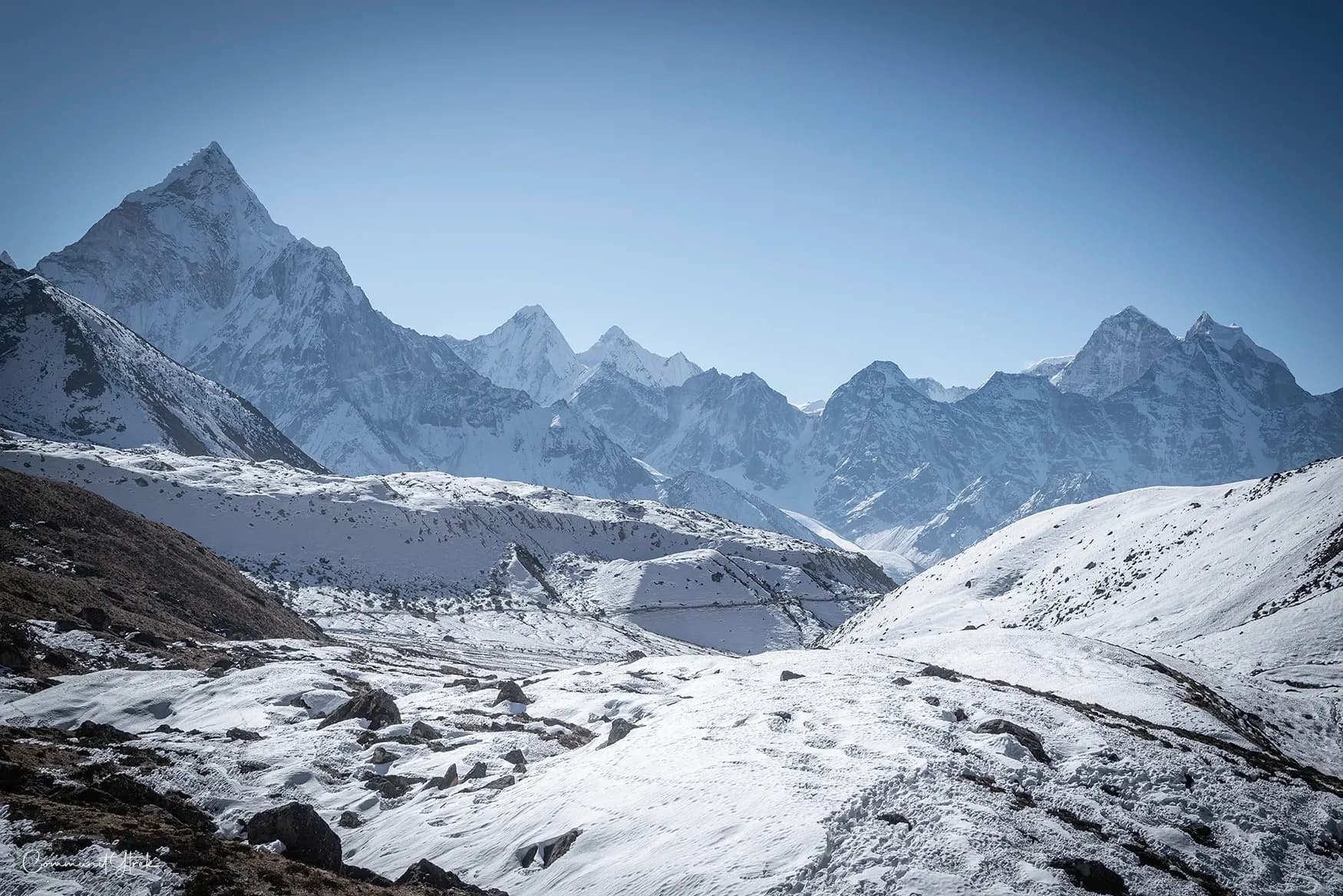
The trails were quieter, the mountains looked even more dramatic against deep blue skies, and fresh snowfall occasionally transformed the landscape into a brilliant white Himalayan wonderland. If you have ever imagined reaching Everest Base Camp in winter, this trek showed us exactly why the colder season can be so special.
Why Trek to Everest Base Camp in Winter?
Winter is one of the quietest times to trek to Everest Base Camp. Compared with the busy spring and autumn trekking seasons, there are far fewer people on the trail.
At times, it genuinely felt as though we had the Everest trail to ourselves.
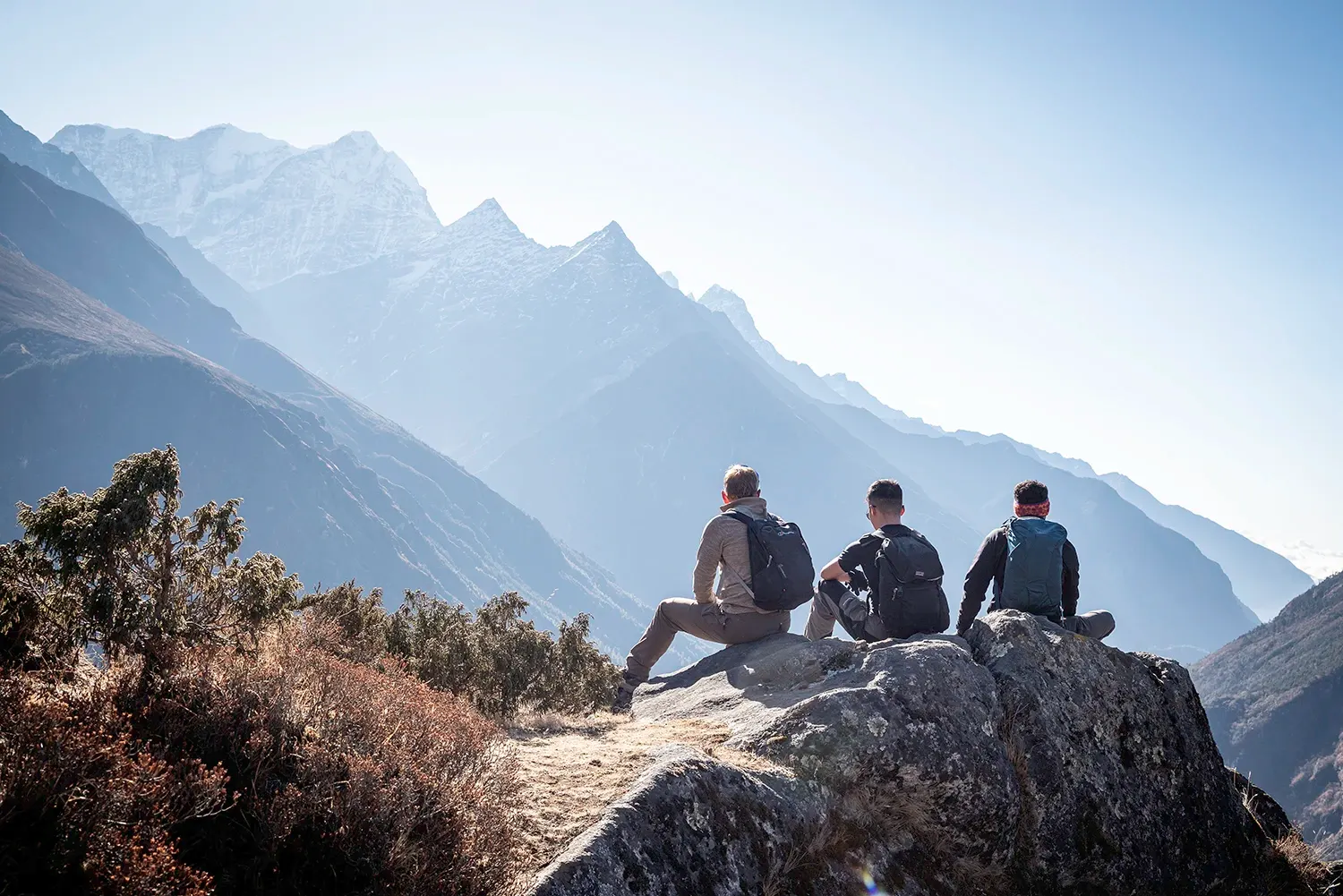
We met only a handful of other trekking groups, including teams from Greenland and Australia. The usual lines of donkeys and yaks were also largely absent. This meant cleaner, dust-free trails and a much more peaceful atmosphere.
For anyone who prefers quiet mountain trails, solitude, photography, and dramatic winter scenery, Everest Base Camp in winter can be an extraordinary experience.
There is something special about walking through the Khumbu Valley when everything is calm and covered in snow.
How Cold Is Everest Base Camp in Winter?
The cold is one of the biggest challenges of an Everest Base Camp winter trek.
During our trek, temperatures at Gorakshep, the settlement closest to Everest Base Camp, occasionally dropped to around -22°C, while nighttime temperatures of approximately -15°C were common.
However, winter does not mean it is freezing all day.
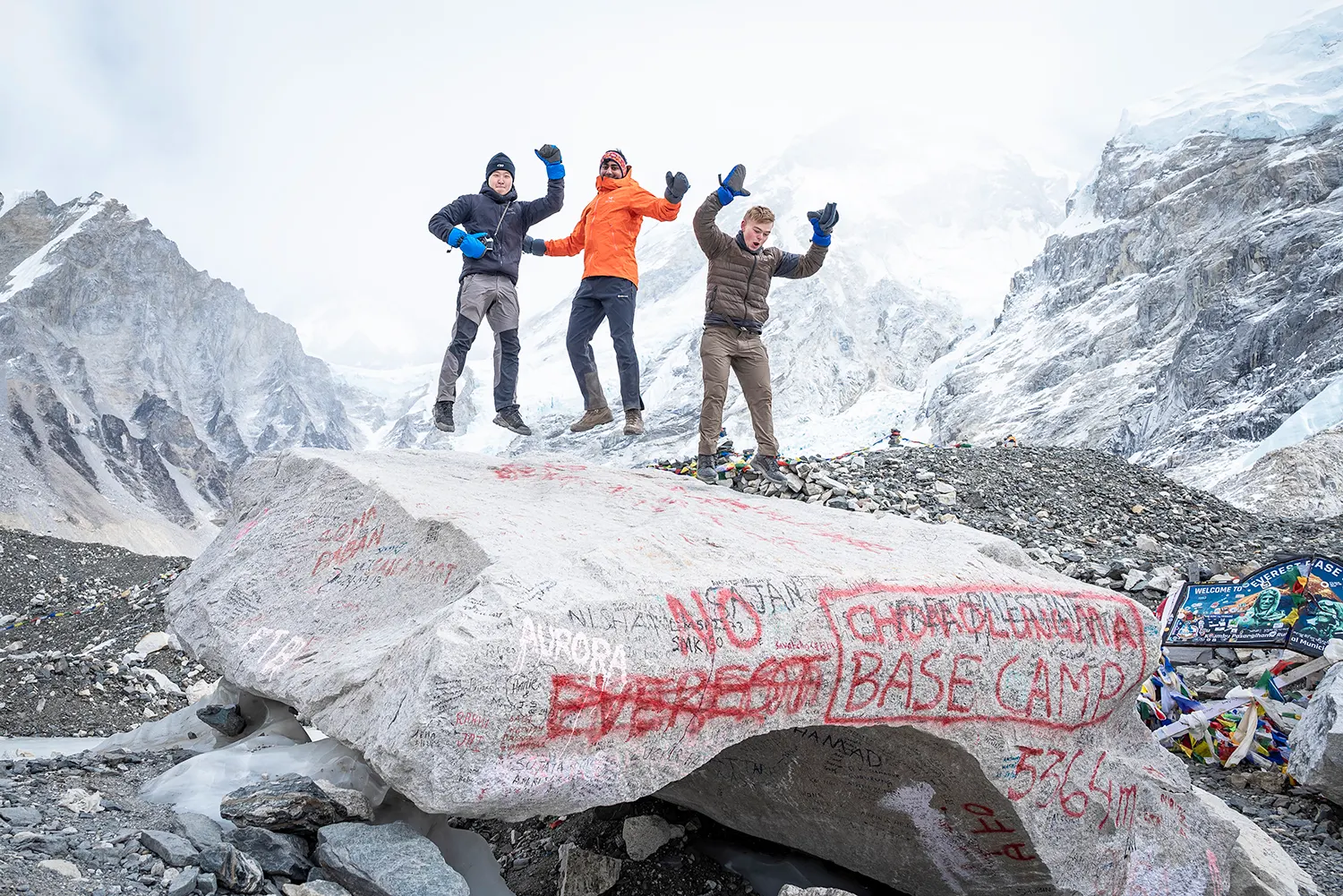
On sunny days, daytime temperatures could reach around 4°C to 5°C, and when the sun was shining strongly, some sections of the trek felt surprisingly warm. There were even moments when trekking in a T-shirt felt comfortable.
The contrast was remarkable: very cold nights, but bright and pleasant daytime conditions when the sun was out.
At higher elevations, however, temperatures can change quickly. Strong winds, cloud cover and snowfall can make conditions feel much colder than the actual temperature, so proper winter clothing and preparation are essential.
The Biggest Challenge: The Cold
For our group, the biggest challenge was not the distance itself—it was dealing with the cold.
Early mornings were particularly chilly. Getting out of a warm sleeping bag when the temperature outside was well below freezing required some motivation!
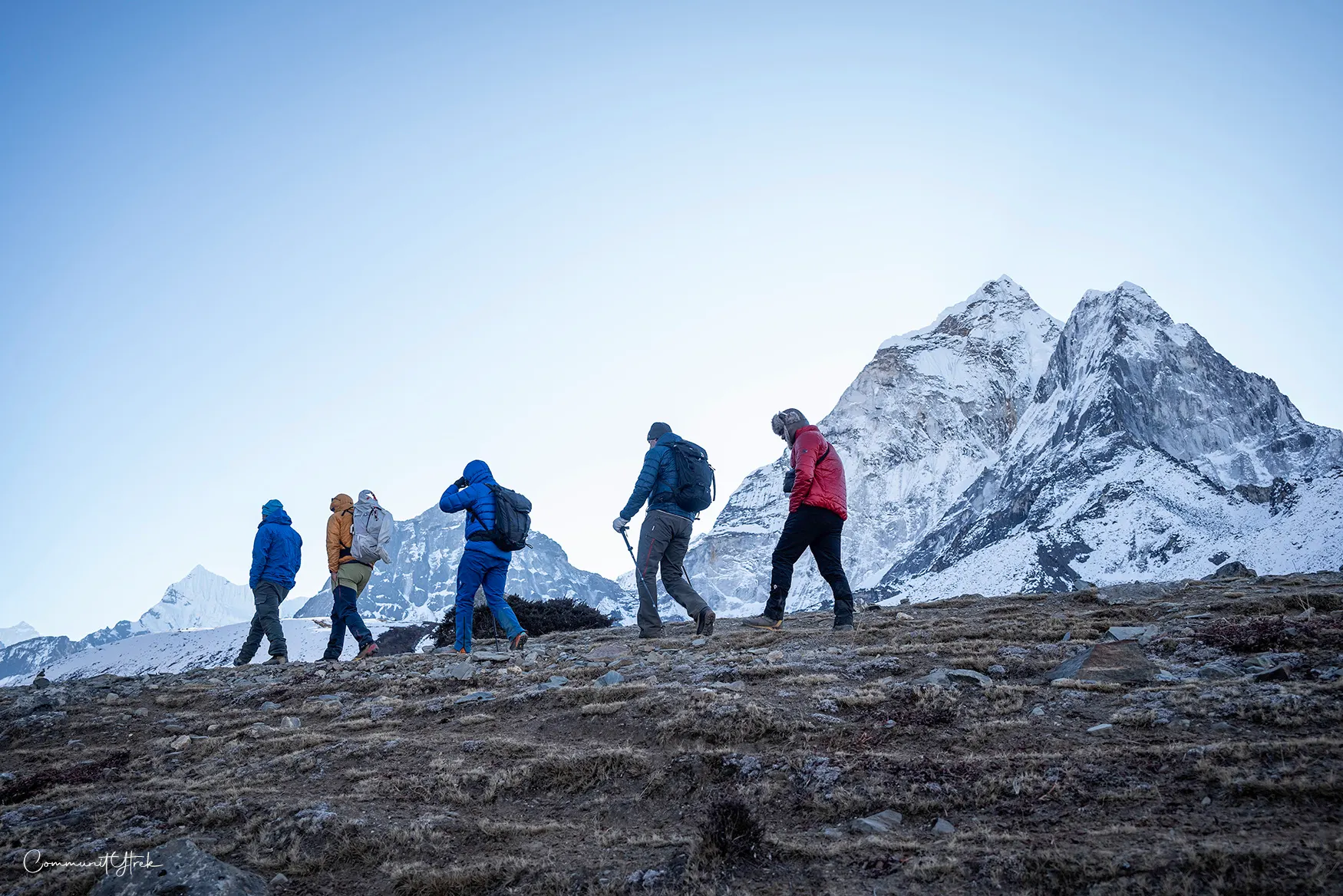
The cold also becomes more noticeable as you gain altitude. At higher elevations, simple things such as putting on boots, filling water bottles or getting ready for the day's walk take more effort.
But once the sun came up and we started walking, the experience became much easier.
The key is preparation: good thermal layers, a warm down jacket, gloves, a hat, suitable trekking boots and a reliable sleeping bag make a huge difference.
Snowfall Makes the Everest Trail Magical
One of the most memorable parts of our winter Everest Base Camp trek was seeing snowfall.
We experienced a few periods of snow during the journey, and rather than making the trek less enjoyable, it made the landscape even more beautiful.
Fresh snow covered the trails and surrounding hills in white. The familiar Himalayan landscape suddenly looked completely different.
The combination of fresh snow, clear blue skies and towering Himalayan peaks created some unforgettable views.
For photographers, winter can be particularly rewarding. The crisp atmosphere and snow-covered mountains provide incredible opportunities for landscape photography.
And when the clouds disappear after snowfall, the views can be spectacular.
Winter Everest Views: Clear Skies and Snow-Capped Peaks
One major advantage of trekking in winter is the quality of the mountain views.
We were fortunate to experience many days with bright blue skies. The dry winter atmosphere often created exceptionally clear views of the Himalayan peaks.
The mountains appeared sharp and dramatic against the blue sky, while the snow-covered landscape added another layer of beauty.
For us, these views were among the highlights of the entire trek.
The Everest region is already famous for its mountain scenery, but seeing Everest, Lhotse, Nuptse, Ama Dablam and the surrounding peaks in a quiet winter landscape is something completely different from experiencing the region during the crowded main trekking seasons.
Are Everest Region Lodges Open in Winter?
Yes, some lodges remain open during winter, but you should not expect every lodge to be operating.
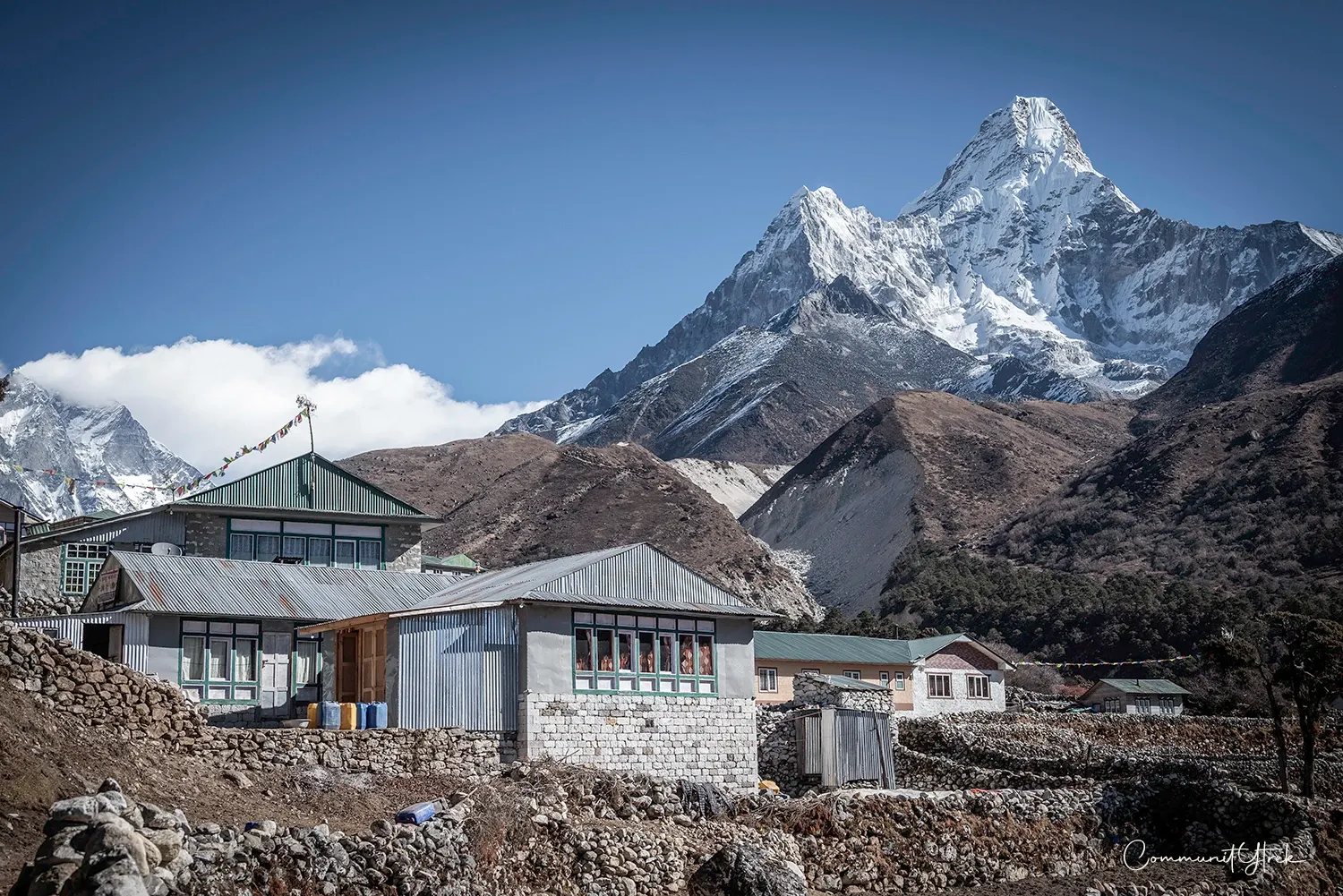
Because winter brings significantly fewer trekkers, many teahouses and lodges close for the season. During our trek, roughly two-thirds of the lodges were closed.
Fortunately, the lodges that remained open were enough for us to find accommodation and meals along the route.
In fact, one of the most enjoyable parts of winter trekking was having some lodges almost entirely to ourselves. Instead of busy dining rooms filled with trekkers, we often enjoyed a much quieter and more personal atmosphere.
However, anyone planning a winter Everest Base Camp trek should check accommodation availability in advance and travel with an experienced local trekking company or guide who knows which lodges are operating.
Winter conditions can change, and services are more limited than during spring and autumn.
Winter Flights to Lukla
Another difference between winter and the main trekking seasons is the flight situation.
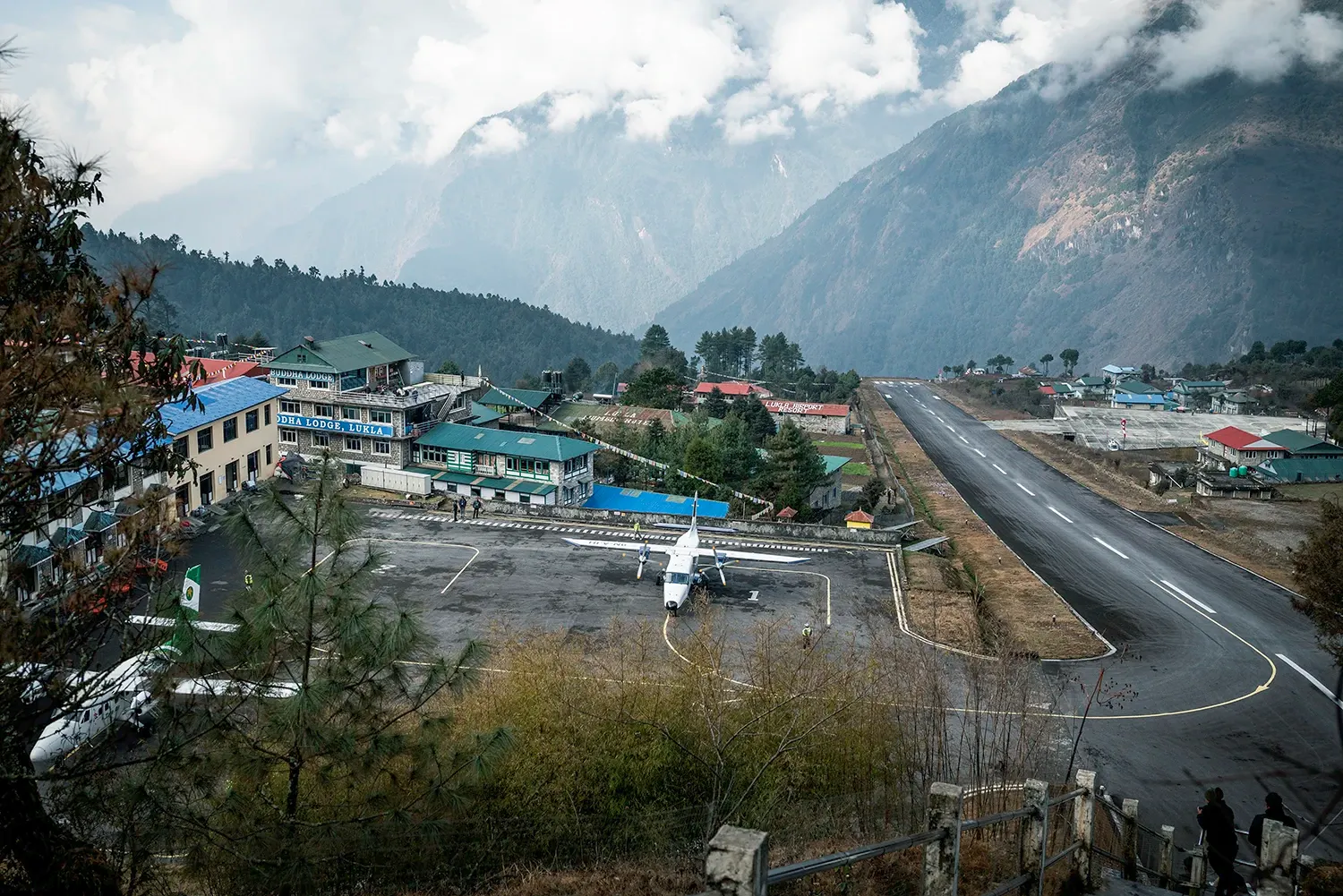
During our trek, flights to Lukla were operating directly from Kathmandu. With fewer trekkers, there were fewer flights compared with the peak seasons, but avoiding the overland transfer to Manthali made the beginning of our journey much more convenient.
Flight schedules in the Everest region can always change because of weather, so flexibility is important regardless of the season.
Why Winter Everest Base Camp Feels More Peaceful
Perhaps the biggest surprise of our trek was the peace and silence.
Everest Base Camp is one of the world's most famous trekking destinations, and during the popular seasons, the trails can become busy.
Winter was completely different.
There were stretches where we could walk for long periods without seeing another trekking group. The absence of large crowds, animal caravans and busy teahouses created a much more natural Himalayan atmosphere.
For us, this made the journey feel more personal.
Instead of rushing along a busy trail, we had time to stop, look at the mountains, take photographs and simply enjoy being in the Himalayas.
Is Winter Everest Base Camp Trek Worth It?
Absolutely, if you are properly prepared for the cold and understand that winter trekking comes with fewer services and more variable conditions.
Our 12-day Everest Base Camp winter trek gave us something that the busier seasons cannot always provide: silence, solitude, fresh snow, clear mountain views and a genuine feeling of being immersed in the Himalayas.
Yes, it was cold.
Yes, some lodges were closed.
Yes, winter requires more preparation.
But every cold morning, snowy trail and frozen night was balanced by incredible mountain views and peaceful moments that we will remember for years.
Tips for an Everest Base Camp Winter Trek
If you are planning to trek to Everest Base Camp in winter, preparation is essential.
- Dress in layers: Use thermal base layers, fleece, a warm down jacket and a waterproof outer layer.
- Bring warm accessories: Gloves, a beanie, neck warmer and warm socks are essential.
- Use a suitable sleeping bag: Nights at higher elevations can become extremely cold.
- Stay hydrated: Cold weather can reduce your sense of thirst, but your body still needs plenty of fluids.
- Check lodge availability: Not every teahouse remains open during winter.
- Allow flexibility for flights: Weather can affect flights to and from Lukla.
- Prepare for snow and ice: Microspikes or other traction equipment can be useful depending on conditions.
- Trek with experienced support: A knowledgeable guide and reliable local team are especially valuable during the colder months.
- Take altitude seriously: Winter does not reduce the risk of altitude sickness, so proper acclimatization remains essential.
- Enjoy the quiet: One of the greatest rewards of winter trekking is having the trail and mountains feel almost entirely your own.
Our Final Thoughts on Winter at Everest Base Camp
Our winter Everest Base Camp adventure was more than simply reaching a famous destination. It was about experiencing the Everest region in a quieter, colder and incredibly beautiful season.
The -22°C temperatures at Gorakshep, snowy trails, crystal-clear mountain views and peaceful teahouses all became part of the story.
And then there were those magical moments after snowfall, when the Himalayas appeared freshly painted in white beneath a deep blue sky.
If you are looking for an Everest Base Camp trek in winter, and you are ready for cold temperatures, limited lodge availability and unpredictable mountain conditions, winter can reward you with something truly special.
Fewer people. More silence. Fresh snow. Clearer views. And the Himalayas at their most peaceful.
Would you dare to experience Everest Base Camp in winter?