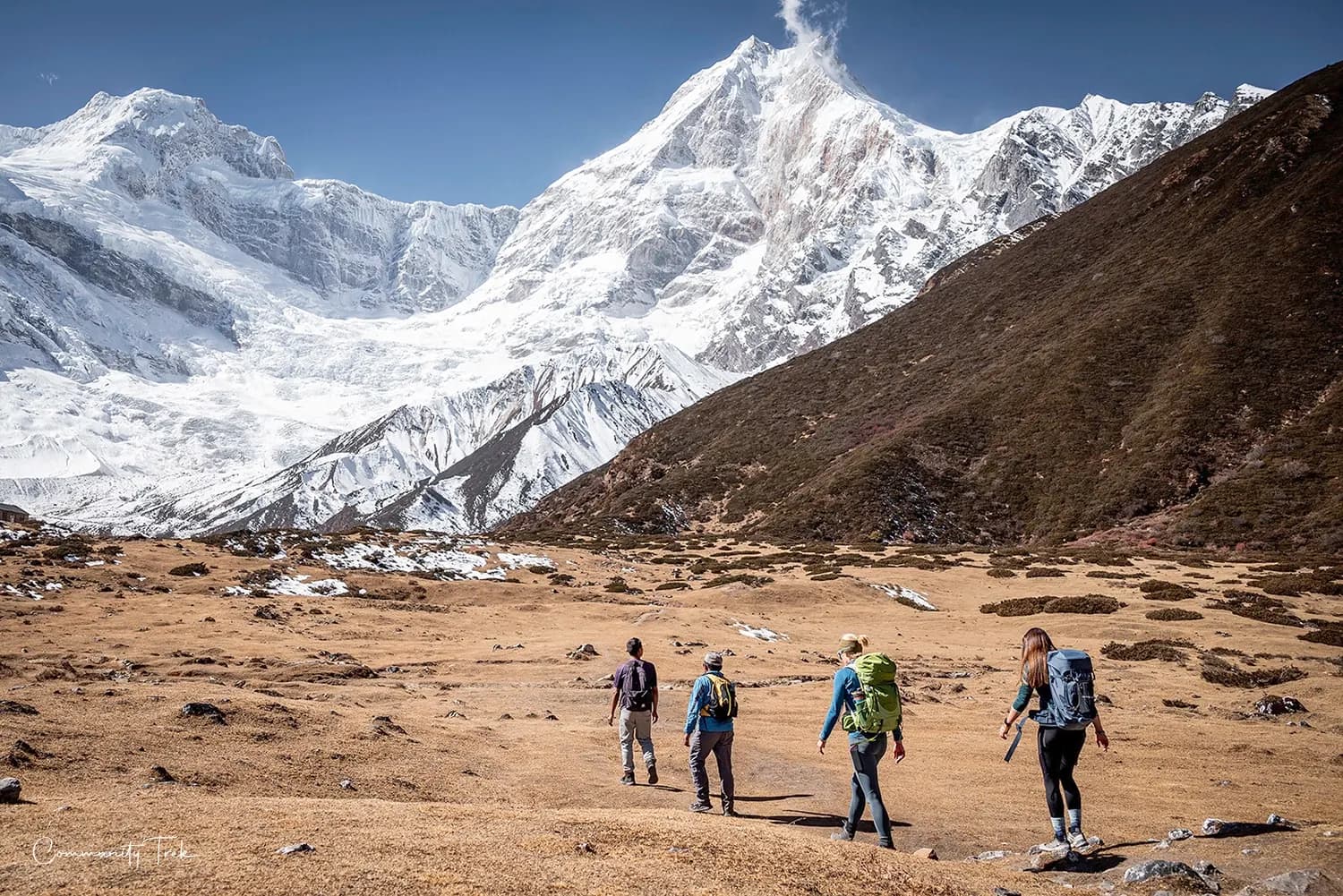
The Manaslu Circuit Trek is quickly becoming one of Nepal’s most talked-about Himalayan adventures, and it is easy to understand why. While Everest Base Camp and the Annapurna Circuit remain Nepal’s most famous trekking routes, more travelers are now searching for a journey that feels quieter, more remote and closer to traditional Himalayan life. The Manaslu Circuit offers exactly that. The trail takes trekkers from the green hills of Gorkha through dramatic mountain valleys, traditional villages and Buddhist communities before reaching the high-altitude landscapes surrounding Mount Manaslu and the challenging Larkya La Pass.
What makes the trek particularly attractive is the variety of experiences packed into one journey. During the lower sections, you walk through forests, terraced farmland and villages surrounded by rushing rivers and waterfalls. As the trail climbs higher, the scenery gradually changes into pine forests, alpine meadows, glacial landscapes and enormous Himalayan peaks. Along the way, you encounter Tibetan-influenced culture, ancient monasteries, prayer flags, mani walls and traditional mountain settlements. The result is not simply a mountain trek, but a journey through the changing landscapes and cultures of the Nepal Himalayas.
What Is the Manaslu Circuit Trek?
The Manaslu Circuit Trek is a high-altitude trekking route in north-central Nepal that circles Mount Manaslu, the world's eighth-highest mountain at 8,163 meters. The trek passes through the Manaslu Conservation Area and reaches its highest point at Larkya La Pass, at roughly 5,100 meters above sea level. Depending on the itinerary, transportation arrangements and acclimatization days, most trekkers spend around two to three weeks completing the journey.
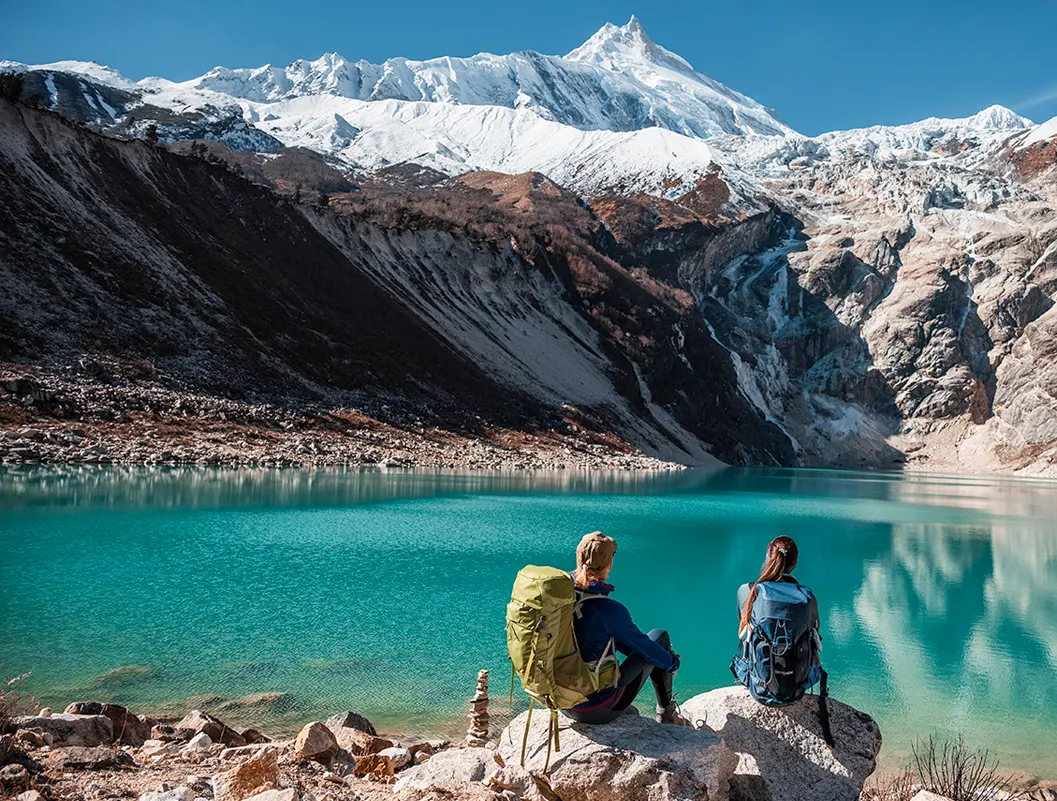
One of the biggest attractions of the Manaslu Circuit is that the landscape changes continuously. You do not spend two weeks looking at the same type of scenery. The journey begins among lower Himalayan hills and river valleys before gradually entering a much higher and colder environment. By the time you reach the upper Manaslu region, the green forests have given way to rugged mountains, glaciers and snow-covered peaks. This dramatic transformation is one of the reasons the trek leaves such a strong impression on travelers.
Why Is the Manaslu Trek Becoming So Popular?
The growing popularity of the Manaslu Circuit is partly a response to what modern travelers are looking for. Many people still want to experience the Himalayas, but they also want a sense of authenticity and adventure. Manaslu offers spectacular scenery while retaining a more remote atmosphere than some of Nepal's busiest trekking routes.
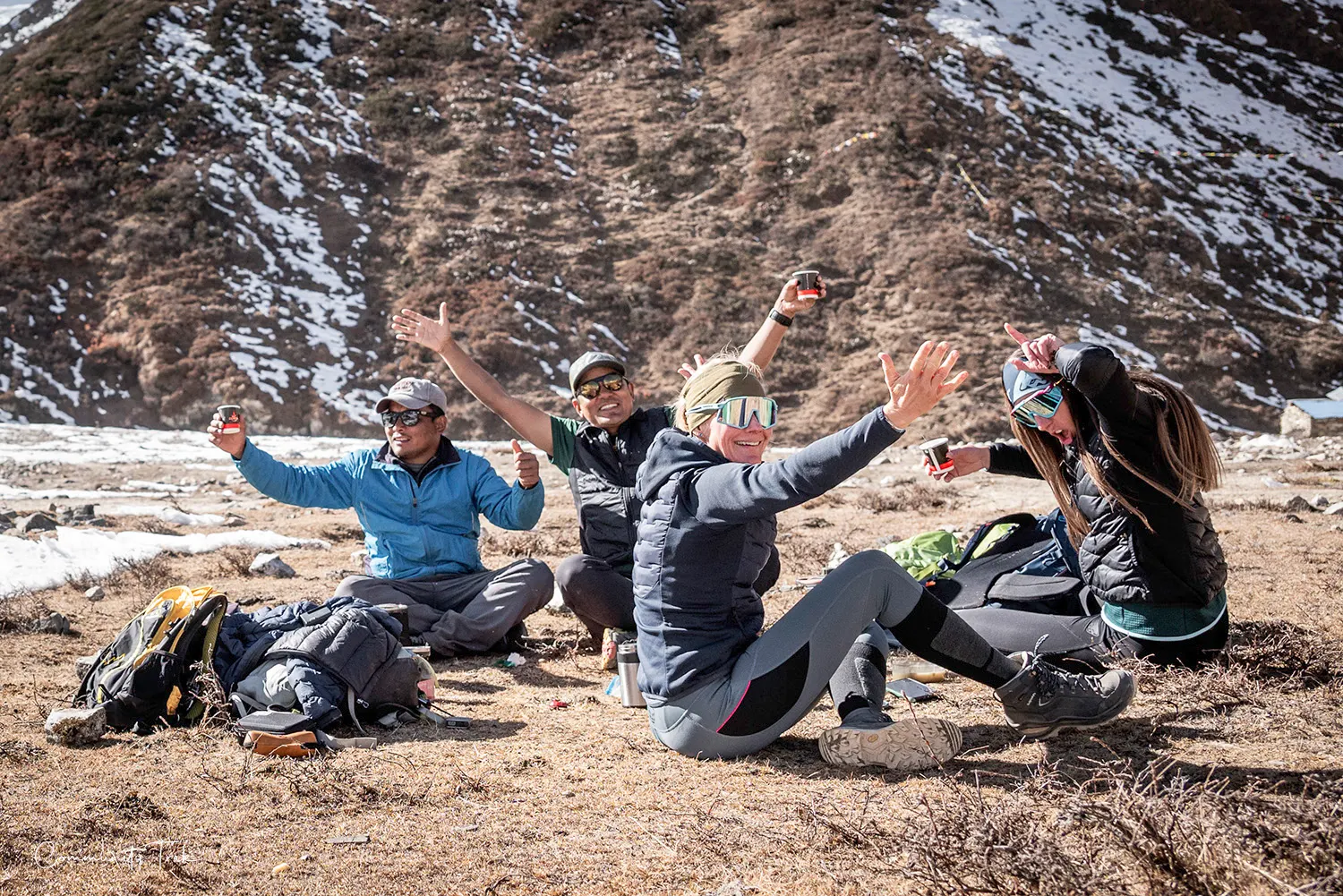
The cultural experience is another major reason to choose Manaslu. As you travel farther into the mountains, the influence of Tibetan Buddhism becomes increasingly visible. Villages contain stone houses, Buddhist monasteries, prayer wheels, mani walls and colorful prayer flags. The people living in these high mountain communities have developed a way of life closely connected to the harsh Himalayan environment. For visitors, walking through these villages provides an opportunity to see a side of Nepal that cannot be experienced from the major cities or popular tourist centers.
The trek also combines several types of adventure in one route. There are long walking days, suspension bridges, steep climbs, remote mountain villages and finally the crossing of Larkya La Pass. At the same time, there are peaceful moments beside mountain rivers, evenings in teahouses and opportunities to interact with local communities. This mixture of challenge and cultural discovery is a major part of the Manaslu experience.
Mount Manaslu: The Mountain Behind the Journey
Mount Manaslu is the centerpiece of the entire trek. Rising to 8,163 meters, it is the eighth-highest mountain in the world and dominates the skyline of the upper Manaslu region. You do not need to climb the mountain to appreciate its scale. As you move toward the higher villages, the mountain gradually becomes a much more powerful presence in the landscape.
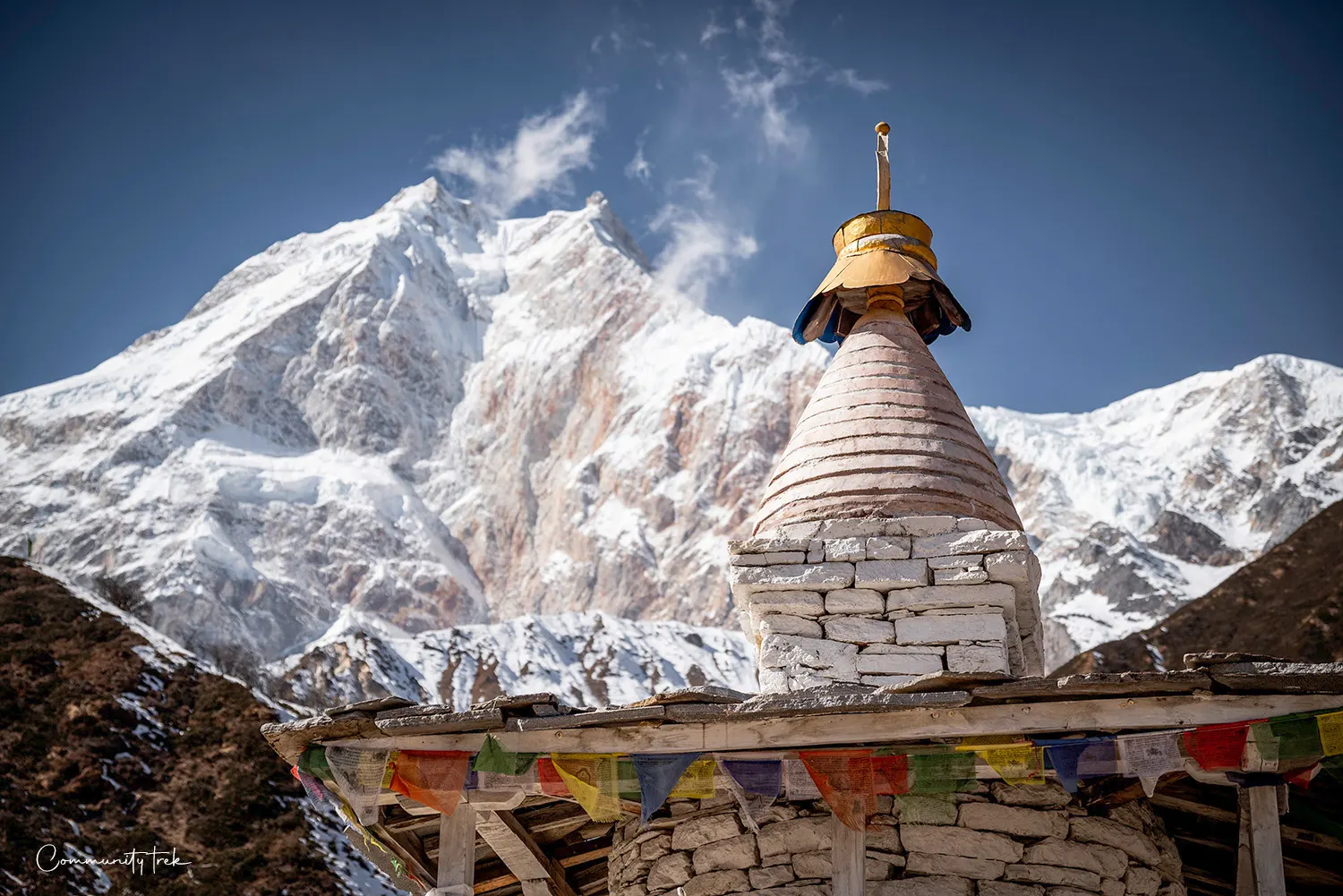
For many trekkers, reaching the Manaslu region and finally seeing the enormous Himalayan peaks from nearby villages is one of the emotional highlights of the journey. Places such as Samagaun provide particularly memorable opportunities to experience the mountain environment, while nearby viewpoints and short acclimatization hikes reveal an even wider panorama of the surrounding Himalayas.
The Main Attractions of the Manaslu Circuit
The Manaslu Circuit has many highlights, but the experience is best understood as a journey rather than a collection of individual destinations. The trail passes through forests and river valleys in its lower sections before entering increasingly remote mountain terrain. Villages become smaller, the landscape becomes more dramatic and the influence of Tibetan Buddhist culture becomes stronger.
Samagaun is one of the most important stops on the route. Located at high altitude beneath the enormous Himalayan peaks, the village is commonly used as an acclimatization point. Trekkers can spend an extra day here exploring the surrounding area, visiting Birendra Lake or simply resting while enjoying the mountain scenery.
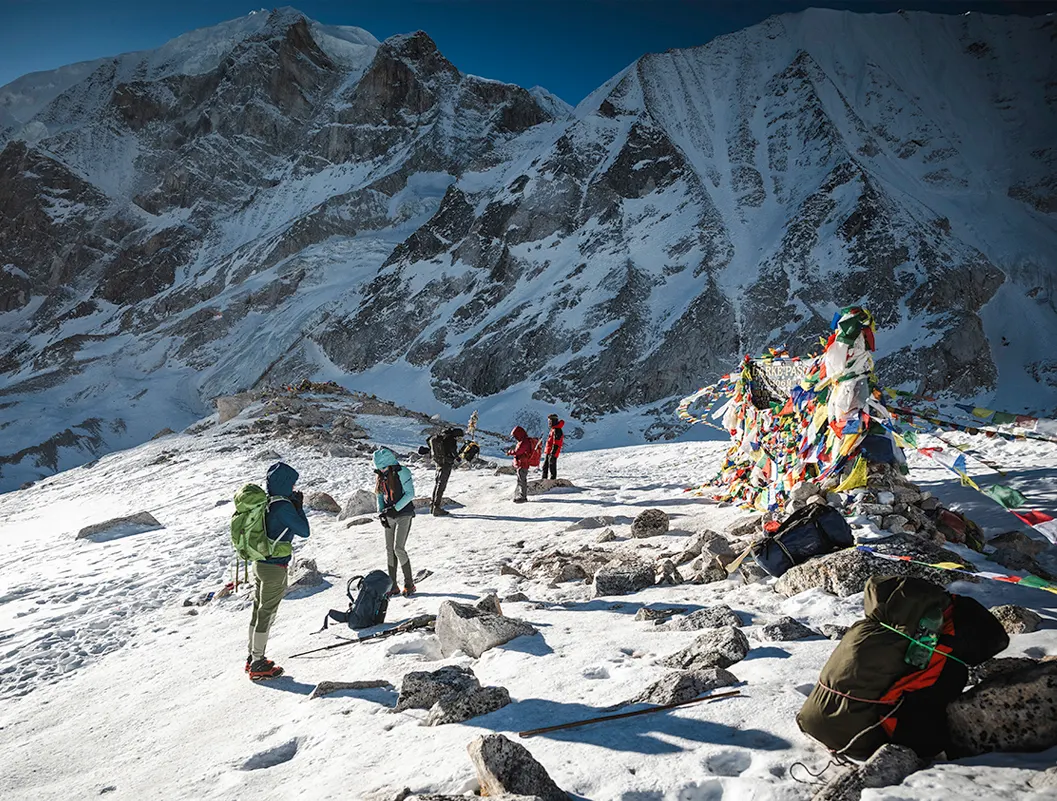
Another major highlight is Larkya La Pass. At around 5,100 meters, crossing the pass is one of the most demanding parts of the trek. The climb can be long and tiring, particularly because of the altitude, but reaching the top provides an extraordinary sense of achievement. From the pass, trekkers are surrounded by a vast high-altitude landscape of snow-covered mountains and rugged Himalayan terrain.
The villages and Buddhist culture are equally important attractions. Traditional stone buildings, monasteries, prayer flags and mani walls appear throughout the upper sections of the route. Rather than simply passing through the mountains, trekkers have the opportunity to understand how communities have adapted to life in one of the world's most challenging environments.
Landscape: From Green Hills to the High Himalayas
One of the most beautiful aspects of the Manaslu Circuit is the changing landscape. The journey begins in relatively warm and green surroundings, where you may see terraced fields, forests and villages along the river valleys. As you gain elevation, the vegetation changes and the mountains begin to dominate the horizon.
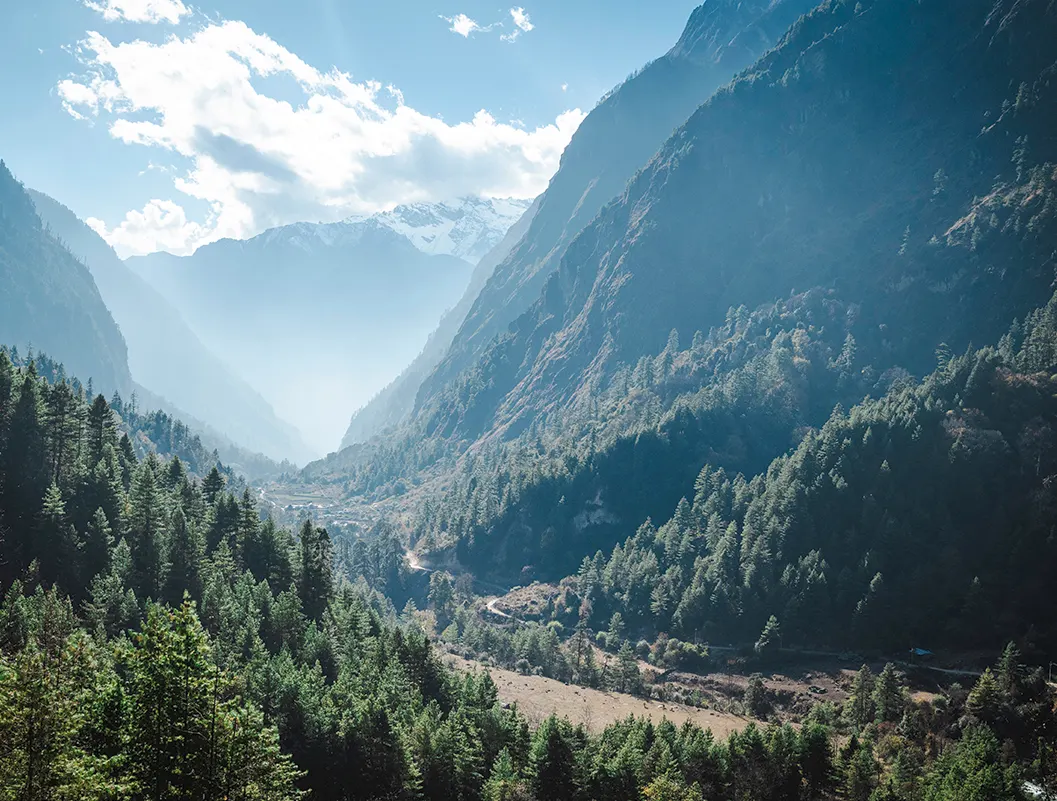
Higher on the route, the environment becomes distinctly alpine. Pine forests give way to rocky slopes and high mountain valleys, while glaciers and snow-covered peaks appear increasingly close. The contrast between the lower green landscapes and the stark upper Himalayas makes the Manaslu Circuit feel like a journey through several different worlds.
This variety is particularly rewarding for photographers and travelers who enjoy landscapes. Almost every few days the character of the scenery changes, providing a constant sense of discovery as the trail climbs deeper into the mountains.
How to Get to the Manaslu Circuit
For international travelers, the journey normally begins in Kathmandu. From the capital, trekkers travel by road toward the Manaslu region before beginning the main walking section of the journey. Depending on the current road conditions and itinerary, the exact starting point can vary, so travelers should confirm their transportation arrangements with their trekking agency before leaving Kathmandu.
The road journey is not necessarily the easiest part of the adventure. Mountain roads can be rough, winding and affected by weather or construction. However, it provides an interesting introduction to the rural landscapes of Nepal and gradually takes you away from the busy Kathmandu Valley toward the quieter Himalayan foothills.
Manaslu Trek Permits and Guide Requirements
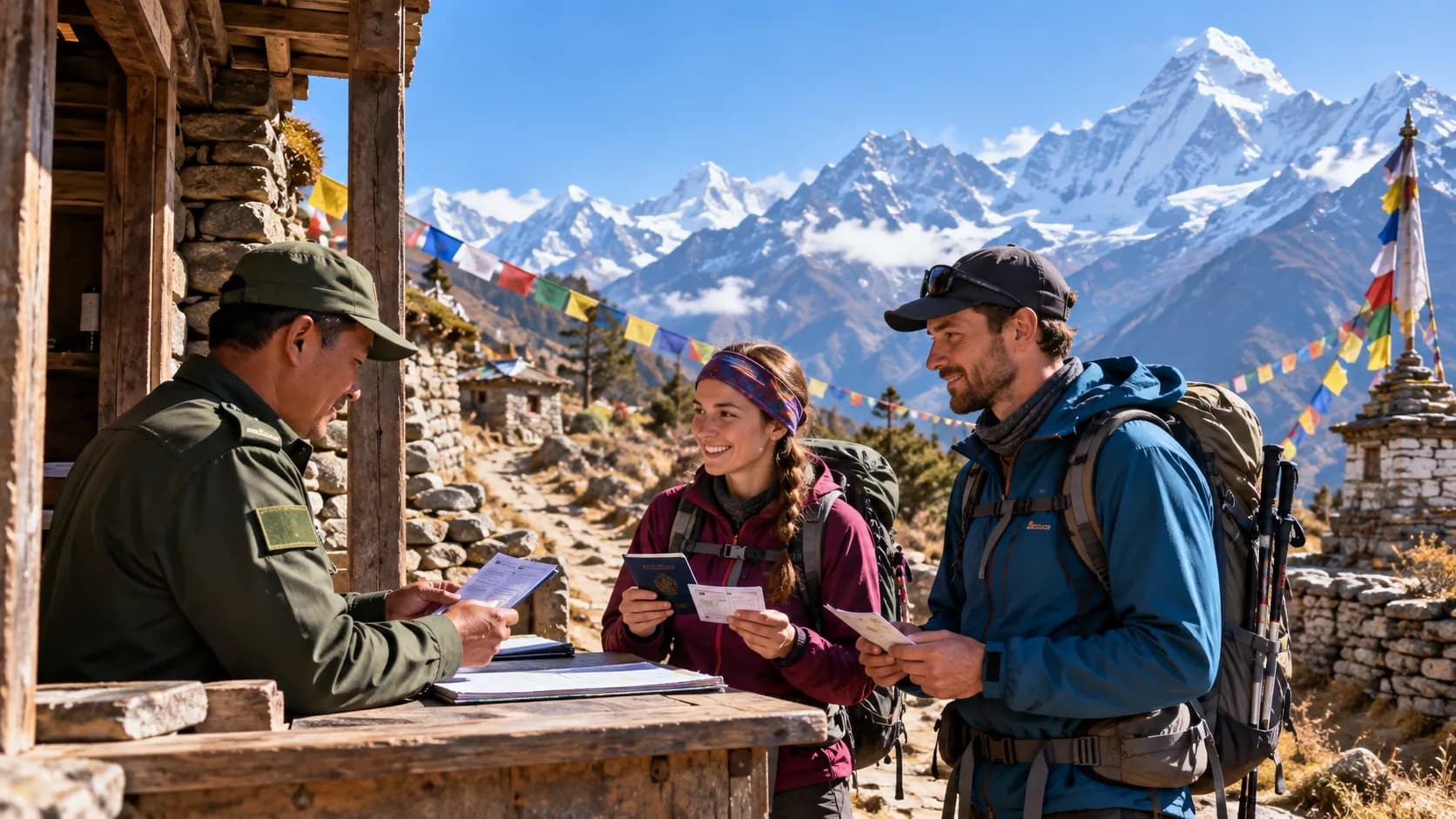
The Manaslu region includes a restricted area, meaning international trekkers need special permission to enter certain sections of the route. Travelers should arrange the required permits through a registered trekking agency before starting the trek.
The main documentation normally includes the Manaslu Restricted Area Permit, the relevant conservation-area permit and the required trekking registration/TIMS arrangements. Permit fees can vary depending on the season and the number of days spent in the restricted area, and government regulations can change, so it is important to confirm the latest fees before booking.
Unlike some trekking routes where independent trekking may be possible, the Manaslu Circuit has specific regulations regarding guides and group arrangements. Current Nepal Tourism Board guidance requires a licensed trekking guide and an agency-issued TIMS card for the Manaslu route. For this reason, travelers should plan the trek with a registered trekking agency rather than expecting to complete it independently.
What Is the Best Season for the Manaslu Circuit Trek?
The best time to trek the Manaslu Circuit is generally spring and autumn, when the weather is more stable, mountain visibility is better and trail conditions are more favorable. However, each season offers a different experience, so the right time depends on whether you prioritize clear mountain views, warmer temperatures, fewer trekkers or a more challenging winter adventure.
Manaslu Circuit Trek Season by Season
| Season | Months | Weather & Trail Conditions | Main Highlights | Things to Consider |
|---|---|---|---|---|
| Spring | March–May | Mild to warm at lower elevations; generally good conditions at higher elevations | Rhododendron blooms, clear mountain views, pleasant trekking temperatures | Some higher sections can still be cold early in the season |
| Summer / Monsoon | June–August | Frequent rain, muddy trails and cloudy conditions at lower elevations | Green landscapes, lush forests and fewer trekkers | Rain, landslides and difficult road conditions can affect the journey |
| Autumn | September–November | Generally stable, dry weather with excellent visibility | Clear Himalayan views, comfortable trekking conditions and beautiful landscapes | October and November can be busy compared with other seasons |
| Winter | December–February | Very cold, with snow and freezing temperatures at higher elevations | Quiet trails, snowy landscapes and a peaceful mountain atmosphere | Larkya La Pass can become extremely challenging or inaccessible because of snow and severe weather |
Spring: March to May
Spring is one of the best seasons for the Manaslu Circuit Trek. Temperatures gradually become warmer, the weather generally becomes more favorable and mountain views can be excellent. The lower sections of the trail become particularly beautiful as rhododendrons and other vegetation begin to bloom.
April and May are especially attractive for trekkers who want a combination of pleasant walking conditions, colorful landscapes and impressive Himalayan views. Higher sections of the route can still be cold, so proper clothing remains essential.
Summer and Monsoon: June to August
The summer monsoon brings frequent rainfall to much of Nepal. On the Manaslu Circuit, this can result in muddy trails, cloudy mountain views, landslides and difficult road conditions, particularly in the lower sections.
The advantage is that the landscape becomes incredibly green and lush, and there are generally fewer trekkers on the trail. However, for first-time visitors, the unpredictable weather and transportation conditions make this a less favorable season.
Autumn: September to November
Autumn is widely considered the best overall season for the Manaslu Circuit Trek. After the monsoon, the skies often become clearer, the air is cleaner and the Himalayan mountains can be seen in excellent detail.
October and November are particularly popular because daytime temperatures are generally comfortable and conditions around the higher sections of the trek are often favorable. The downside is that these months attract more trekkers, although the Manaslu Circuit can still feel considerably quieter than some of Nepal's most famous trekking routes.
Winter: December to February
Winter transforms the Manaslu region into a much colder and more dramatic environment. Snow can cover the higher trails, and temperatures can fall well below freezing, particularly at night.
The biggest challenge is Larkya La Pass, where heavy snowfall and severe weather can make the crossing extremely difficult or temporarily impossible. Experienced trekkers with appropriate equipment may consider a winter journey, but it is generally not the best choice for first-time high-altitude trekkers.
Which Season Should You Choose?
For most travelers, October–November and April–May offer the best overall combination of weather, mountain views and trail conditions. If you want the clearest Himalayan scenery, choose autumn. If you enjoy spring flowers and slightly warmer conditions, spring is an excellent alternative.
If your priority is fewer trekkers, you may consider the shoulder periods, but always check the latest weather and trail conditions before departure. The Manaslu Circuit is a high-altitude route, and conditions can change quickly regardless of the season.
How Difficult Is the Manaslu Circuit Trek?
The Manaslu Circuit is considered a challenging trek, mainly because of its altitude, length and remote mountain environment. Trekkers should be comfortable walking for several hours a day and should prepare for steep climbs and descents. The crossing of Larkya La is particularly demanding because it involves reaching more than 5,000 meters above sea level.
Good physical preparation can make the journey more enjoyable, but fitness does not eliminate the risk of altitude sickness. The body needs time to adapt to increasing elevation, which is why a properly designed itinerary includes acclimatization days. Trekkers should never ignore symptoms such as severe headache, dizziness, nausea, unusual weakness or difficulty breathing, and should descend if symptoms become serious.
For someone who regularly hikes and prepares properly, the Manaslu Circuit is achievable. However, it should not be underestimated simply because it is a walking holiday. The combination of altitude, weather and remote terrain makes preparation particularly important.
How Much Does the Manaslu Circuit Trek Cost?
The total cost of the Manaslu Circuit Trek depends on the length of your trek, group size, trekking agency, guide and porter services, transportation, accommodation and the level of service you choose. For many international travelers, a reasonable planning budget is around USD 1,000–2,000 or more per person for the trekking portion, excluding international flights. Private trips and more comfortable arrangements can cost considerably more.
Manaslu Circuit Trek Cost Breakdown
| Expense | Estimated Cost | What It Covers |
|---|---|---|
| Trekking Permits | Varies by season | Restricted-area, conservation-area and required trekking permits |
| Guide | Included in many packages | Licensed guide, navigation, local support and safety assistance |
| Porter | Extra or included | Carries your main luggage during the trek |
| Accommodation | Included in most packages | Teahouse and lodge accommodation along the route |
| Food & Drinks | Included or extra | Breakfast, lunch, dinner and basic drinks |
| Transportation | Varies | Road transportation between Kathmandu and the trekking area |
| Travel Insurance | Varies | Trekking, medical treatment and emergency evacuation coverage |
| Equipment | Varies | Boots, sleeping bag, clothing and other trekking gear |
| Tips | Optional but customary | Tips for guides, porters and trekking staff |
| Emergency/Extra Budget | Recommended | Delays, additional accommodation, transportation or unexpected expenses |
What Is Included in a Typical Manaslu Trek Package?
A standard trekking package commonly includes permits, guide services, accommodation, meals and transportation. However, exactly what is included varies between trekking companies, so always check the package details before booking.
International flights, travel insurance, personal trekking equipment, drinks, snacks, Wi-Fi, hot showers, tips and personal expenses are often not included.
How Much Extra Money Should You Carry?
It is sensible to keep some additional cash available during the trek. Mountain transportation can be delayed, weather can change plans and you may need to pay for extra accommodation, meals, charging, hot showers or other personal expenses.
Most importantly, do not choose a trekking company only because it offers the cheapest price. Manaslu is a remote, high-altitude trek, so an experienced guide, responsible porter arrangements, reliable transportation and proper emergency planning are worth paying for.
Do You Need a Guide and Porter?
Yes, trekkers should plan to travel with a licensed guide because of the current regulations governing the Manaslu route. A good guide also provides much more than navigation. They can help organize accommodation, communicate with local communities, monitor weather and altitude concerns, and assist if an emergency occurs.
A porter can be equally valuable, especially on a trek involving high passes. Carrying a heavy backpack for several hours at high altitude can make an already difficult journey considerably harder. By hiring a porter, trekkers can carry only a smaller daypack containing water, clothing layers, snacks and personal essentials while the porter carries the main luggage.
Travelers should always choose a reputable agency that treats guides and porters fairly and provides appropriate equipment and working conditions.
Accommodation and Food on the Manaslu Trek
Accommodation on the Manaslu Circuit is mainly provided by teahouses and small mountain lodges. The standard becomes more basic as you travel into higher and more remote areas, so travelers should not expect hotel-style comfort. Rooms are generally simple, and bathrooms may be shared, particularly at higher elevations.
Food is usually simple but filling. Dal bhat, noodles, rice, soup, potatoes, momos and various Tibetan-style dishes are common. Tea and other hot drinks are particularly welcome after a cold day of walking. One of the enjoyable parts of teahouse trekking is sitting in a shared dining room in the evening, talking with other trekkers while the temperature outside drops.
What Should You Pack?
Packing for the Manaslu Circuit Trek requires a balance between staying prepared for cold, changing mountain conditions and keeping your luggage manageable. The following essentials will help you stay comfortable and safe throughout the trek.
| Category | Essential Items | Why You Need Them |
|---|---|---|
| Footwear | Good trekking boots, trekking socks | Provides support and grip on rocky, steep and uneven trails |
| Warm Clothing | Down jacket, fleece, thermal base layers, warm trousers | Keeps you warm as temperatures drop at higher elevations |
| Rain & Wind Protection | Waterproof jacket, rain cover | Protects you from rain, snow and strong mountain winds |
| Head & Hands | Warm hat, gloves, sun hat | Protects against cold temperatures and strong Himalayan sunlight |
| Eye & Sun Protection | Sunglasses, sunscreen, lip balm | Protects your eyes and skin from intense high-altitude UV exposure |
| Sleeping Gear | Cold-weather sleeping bag | Provides additional warmth in basic teahouse accommodation |
| Trekking Accessories | Trekking poles, headlamp | Trekking poles help on steep terrain, while a headlamp is useful during early starts and power cuts |
| Water & Hydration | Reusable water bottles or hydration system | Helps you stay hydrated throughout long walking days |
| Health & First Aid | Personal medicines, basic first-aid kit | Useful for common minor injuries and personal medical needs |
| Electronics | Power bank, charging cables | Keeps your phone, camera and other essential devices charged |
| Documents | Passport copies, permits, travel insurance documents | Important for trekking permits, identification and emergencies |
| Optional Essentials | Camera, snacks, dry bags, small backpack | Makes the trek more comfortable and helps protect personal belongings |
Your exact packing list should depend on the season, itinerary and current weather conditions. Before departure, consult your trekking guide or agency for the latest recommendations, especially if you are trekking during winter or crossing Larkya La Pass.
Manaslu Circuit Trek vs Everest Base Camp
Choosing between the Manaslu Circuit Trek and Everest Base Camp Trek depends on the type of Himalayan adventure you are looking for. Both offer spectacular mountain scenery and unforgettable experiences, but the character of the two treks is quite different. Everest Base Camp is more famous and has a well-developed trekking infrastructure, while Manaslu offers a quieter, more remote experience with strong cultural immersion and the challenging Larkya La Pass.
Quick Comparison: Manaslu vs Everest Base Camp
| Feature | Manaslu Circuit Trek | Everest Base Camp Trek |
|---|---|---|
| Main attraction | Mount Manaslu, Larkya La Pass and remote Himalayan landscapes | Mount Everest and Everest Base Camp |
| Highest point | Larkya La Pass – approx. 5,100 m | Kala Patthar – approx. 5,545 m |
| Difficulty | Challenging | Challenging |
| Landscape | Green valleys, forests, alpine terrain, glaciers and high passes | Mountain valleys, alpine terrain, glaciers and iconic Everest views |
| Culture | Strong Tibetan Buddhist influence and traditional mountain villages | Sherpa culture, Buddhist monasteries and mountain communities |
| Crowds | Generally quieter and more remote | More popular and generally busier |
| Infrastructure | More basic in remote sections | More developed trekking infrastructure |
| Main challenge | Larkya La Pass and remote terrain | High altitude and Kala Patthar |
| Best for | Travelers seeking remoteness, culture and adventure | Travelers wanting the classic Everest experience |
Which Trek Is Better for You?
| If you want... | Choose |
|---|---|
| A quieter and more remote Himalayan experience | Manaslu Circuit |
| To see Mount Everest up close | Everest Base Camp |
| Traditional Tibetan-influenced villages and culture | Manaslu Circuit |
| A famous bucket-list trekking destination | Everest Base Camp |
| Fewer trekkers and a stronger sense of wilderness | Manaslu Circuit |
| More developed teahouses and trekking infrastructure | Everest Base Camp |
| A challenging high mountain pass | Manaslu Circuit – Larkya La |
| Iconic Everest views and Kala Patthar | Everest Base Camp |
| A trek that feels more like an expedition of discovery | Manaslu Circuit |
| Your first classic Himalayan trekking experience | Everest Base Camp |
Ultimately, there is no single winner. Everest Base Camp is the better choice if reaching the world's highest mountain is your main dream, while Manaslu is ideal if you want a more remote, culturally rich and adventurous journey through the Himalayas. If you prefer quieter trails, traditional villages, dramatic landscape changes and the challenge of crossing Larkya La Pass, the Manaslu Circuit may be the more rewarding choice.
Why the Manaslu Circuit Trek Is Worth Doing
The real attraction of the Manaslu Circuit is not one mountain, one village or one mountain pass. It is the complete journey. You start among green hills and rushing rivers and gradually enter a world of enormous mountains, glaciers and high-altitude villages. Along the way, you meet local people, see Buddhist traditions that have survived for generations and experience the daily rhythm of life in communities surrounded by some of the world's highest peaks.
Eventually, you stand at Larkya La Pass, looking across a landscape that feels completely different from where your journey began. You are tired, the air is thin and the climb has tested you, but that is exactly what makes the moment meaningful.
For travelers searching for a Himalayan experience that combines nature, culture, adventure and a genuine sense of discovery, the Manaslu Circuit Trek is one of Nepal's most rewarding choices. Its popularity is growing, but it still retains much of the remote character that made people fall in love with the region in the first place.
Frequently Asked Questions About the Manaslu Circuit Trek
How high is the Manaslu Circuit Trek?
The highest point of the standard Manaslu Circuit Trek is Larkya La Pass, at approximately 5,100 meters (16,732 feet) above sea level. Reaching this altitude makes acclimatization and proper preparation essential.
How high is Mount Manaslu?
Mount Manaslu stands at 8,163 meters (26,781 feet) above sea level, making it the eighth-highest mountain in the world. The mountain is one of the main highlights of the Manaslu Circuit Trek.
How many days does the Manaslu Circuit Trek take?
Most standard Manaslu Circuit Trek itineraries take around 14–18 days. The exact duration depends on the route, transportation, acclimatization days, weather conditions, and whether you include side trips such as Tsum Valley.
Is the Manaslu Circuit Trek difficult?
Yes, the Manaslu Circuit Trek is considered a challenging high-altitude trek. It involves long walking days, steep ascents and descents, remote mountain terrain, and the crossing of Larkya La Pass at around 5,100 meters. Good physical preparation and proper acclimatization are important.
What is the best month for the Manaslu Trek?
October and November are among the best months for the Manaslu Trek because autumn generally brings clear skies, good mountain visibility, and stable trekking conditions. April and May are also excellent months, with pleasant temperatures and beautiful spring landscapes.
Do you need a guide for the Manaslu Trek?
Yes. A licensed trekking guide is required for the Manaslu Trek, and the necessary permits and trekking arrangements must be made through a registered trekking agency. A professional guide also provides valuable assistance with navigation, accommodation, altitude awareness, local communication, and emergencies.
How much does the Manaslu Circuit Trek cost?
The cost of the Manaslu Circuit Trek varies depending on the itinerary, group size, trekking agency, guide and porter services, accommodation, transportation, and permits. International travelers should generally budget around USD 1,000–2,000 or more for the trekking portion, excluding international flights and depending on the services included.
Can beginners do the Manaslu Circuit Trek?
Yes, physically prepared beginners can complete the Manaslu Circuit Trek with proper professional support, but it should not be considered an easy trek. The high altitude, long walking days, remote terrain, and Larkya La Pass make preparation and acclimatization particularly important.
Final Thoughts
The Manaslu Circuit is becoming popular because modern travelers are looking for more than just a famous destination. They want a journey that challenges them, introduces them to local culture and gives them the feeling that they have genuinely explored somewhere extraordinary.
Manaslu offers that experience through its changing landscapes, traditional Himalayan villages, Buddhist culture, enormous mountain views and the unforgettable crossing of Larkya La Pass. It is challenging, sometimes uncomfortable and far from luxurious, but those difficulties are also part of what makes the journey special.
If you are looking for a trek that takes you deep into the Himalayas while offering a powerful combination of mountains, culture, wilderness and adventure, the Manaslu Circuit deserves a place near the top of your Nepal trekking list.