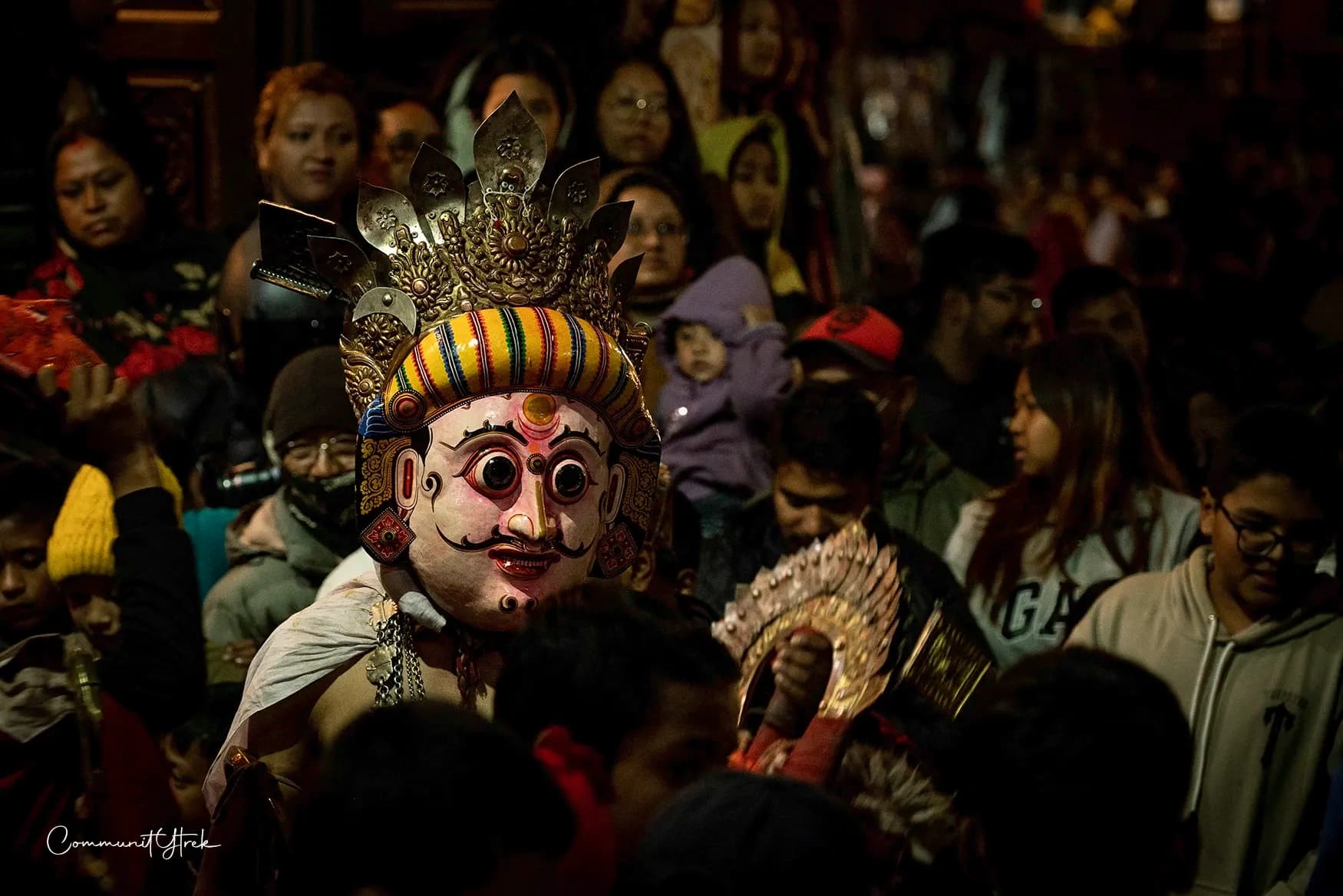
Nepal is not simply a destination to photograph, it is a place to feel, experience, and tell a story through your camera. From the first golden light touching the peaks of the Himalayas to ancient temples coming alive with morning rituals, every corner of Nepal offers a photograph with a story behind it.
With Community Trek, a Nepal Photography Tour takes you beyond famous viewpoints and postcard images. You will photograph towering Himalayan landscapes, traditional villages, Buddhist monasteries, Hindu temples, colorful festivals, mountain communities, wildlife, local markets, and everyday life. More importantly, you will have time to slow down, connect with people, wait for the right light, and capture Nepal as it truly is.
Whether you are a professional photographer, travel content creator, enthusiast, or simply someone who loves beautiful places, our photography journeys are designed around light, location, timing, culture, and authentic experiences.
Why Choose Nepal for a Photography Tour?
Nepal offers an extraordinary variety of subjects within a relatively small country. In a single journey, your camera can move from the medieval streets of Kathmandu Valley to peaceful Himalayan villages, from subtropical jungles to snow-covered mountains.
The Himalayas provide the grand landscape, but Nepal's real photographic magic is often found in the details, the hands of an artisan, smoke rising from a village kitchen, prayer flags moving in the wind, a monk walking through an ancient monastery courtyard, a farmer working in a terraced field, or the warm expression of someone you meet along the trail.
For photographers, Nepal offers something particularly valuable: changing light and changing stories. Sunrise, blue hour, misty forests, dramatic mountain weather, golden-hour villages, star-filled skies, and colorful cultural scenes constantly transform the landscape.
What You Can Photograph in Nepal
Himalayan Landscapes
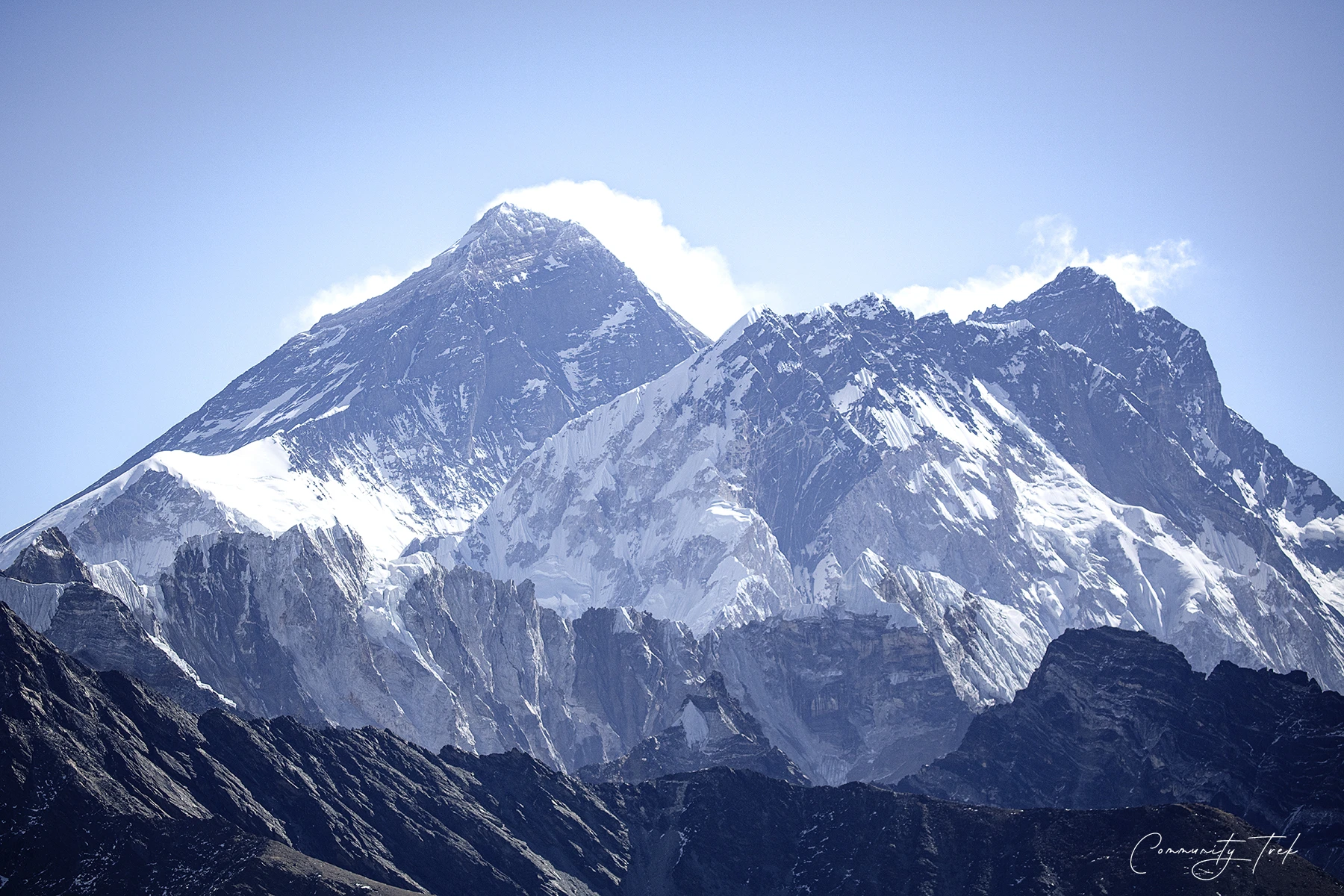
The mountains are the heart of Nepal photography. Depending on your itinerary, you can photograph spectacular views of Mount Everest, Ama Dablam, Lhotse, Makalu, Manaslu, Annapurna, Dhaulagiri, Ganesh Himal, Langtang Lirung, and many other Himalayan peaks.
Early mornings are often the best time for mountain photography, when clear skies and soft golden light can transform an already dramatic landscape into something unforgettable.
Sunrise and Sunset
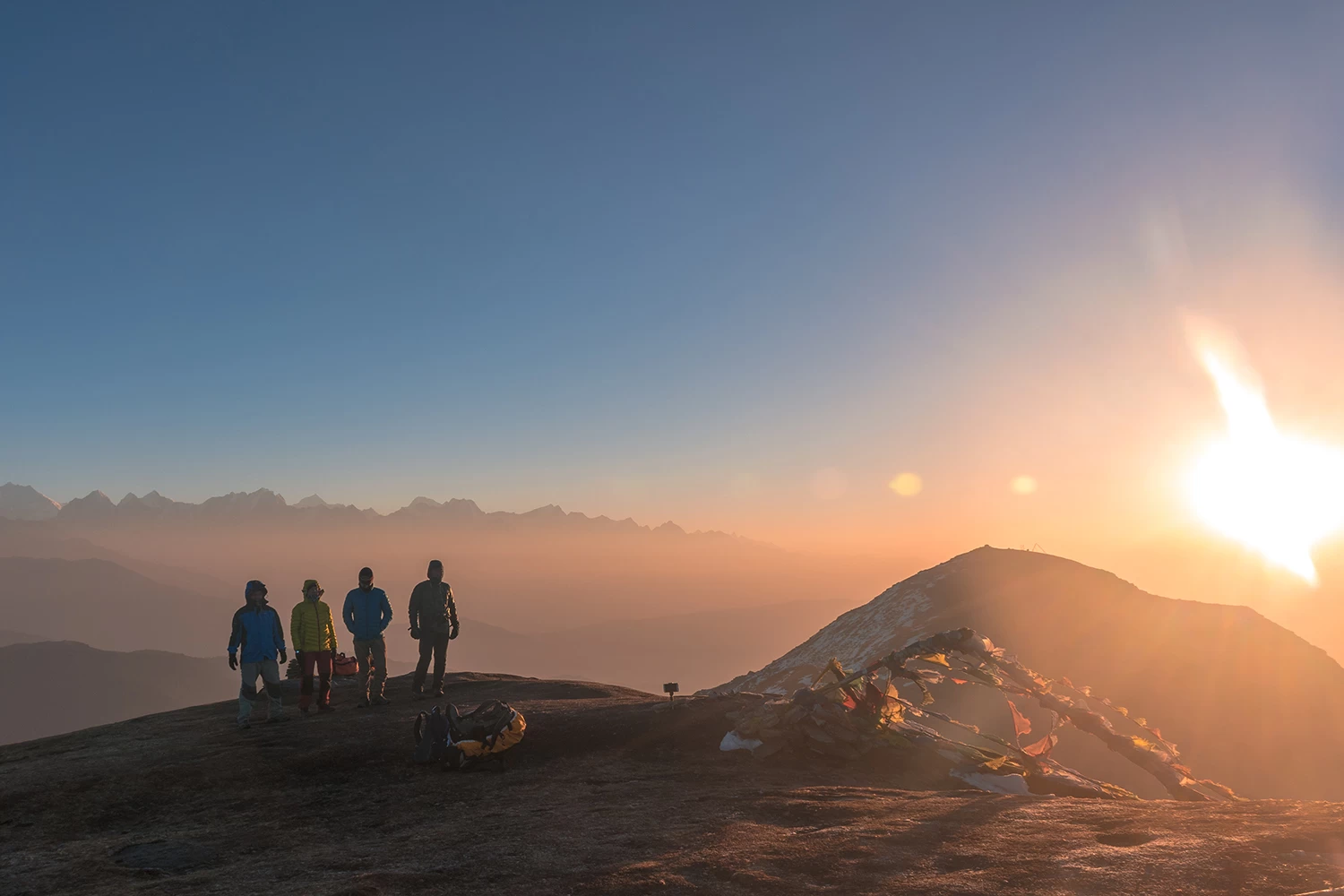
Nepal's mountain viewpoints are famous for extraordinary sunrise and sunset photography. The changing colors across the peaks create opportunities for wide-angle landscapes, telephoto mountain compositions, silhouettes, and intimate details.
For serious photographers, we plan the day around the best available light rather than simply following a sightseeing schedule.
Traditional Villages and Rural Life
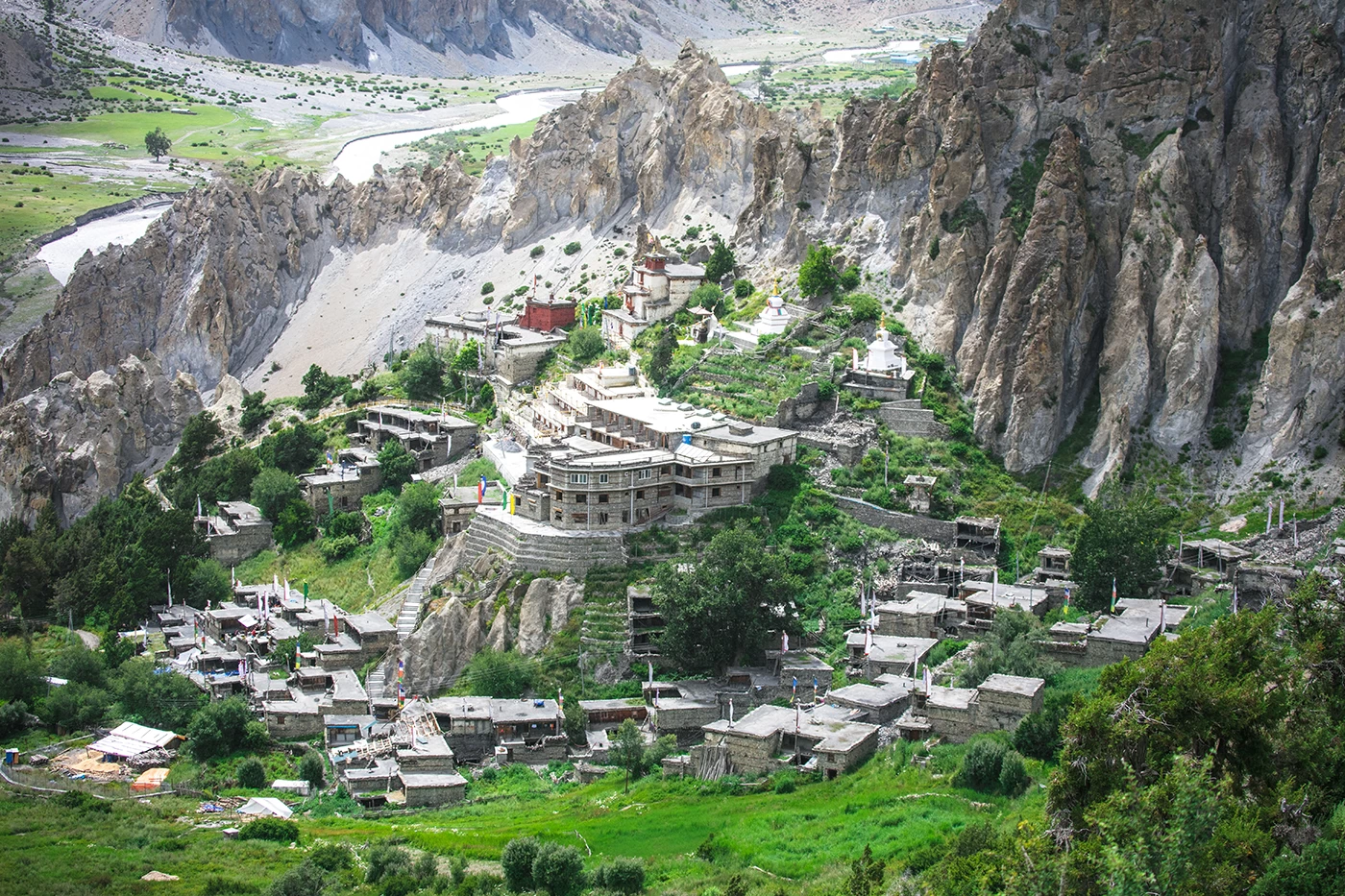
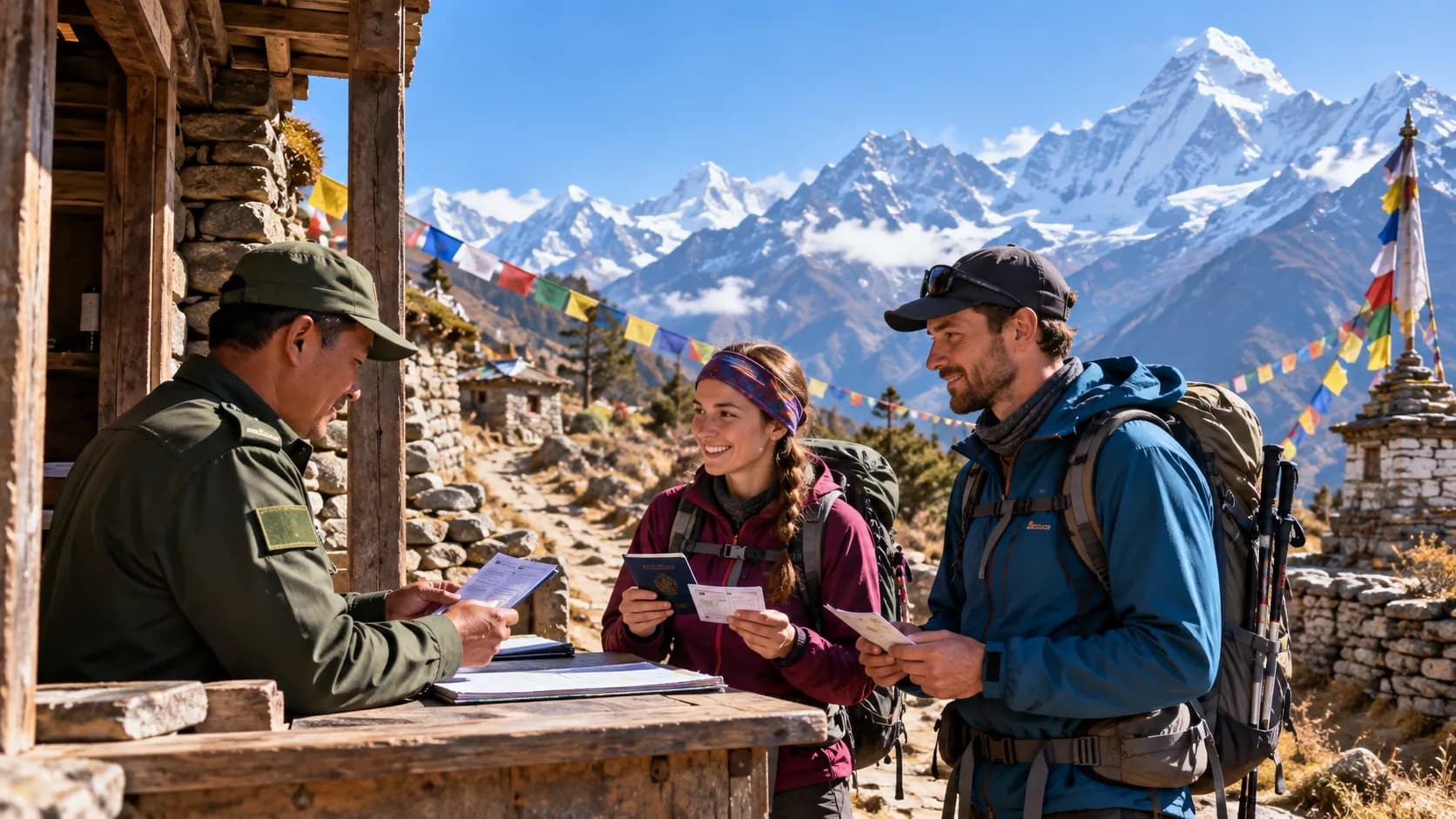
Some of Nepal's most powerful photographs come from its villages. Stone houses, terraced farmland, suspension bridges, prayer wheels, yak caravans, traditional kitchens, local markets, and mountain trails provide countless opportunities for documentary and travel photography.
Rather than rushing through villages, Community Trek encourages meaningful interaction and respectful photography so that the images reflect real life rather than staged moments.
Buddhist Monasteries and Spiritual Life
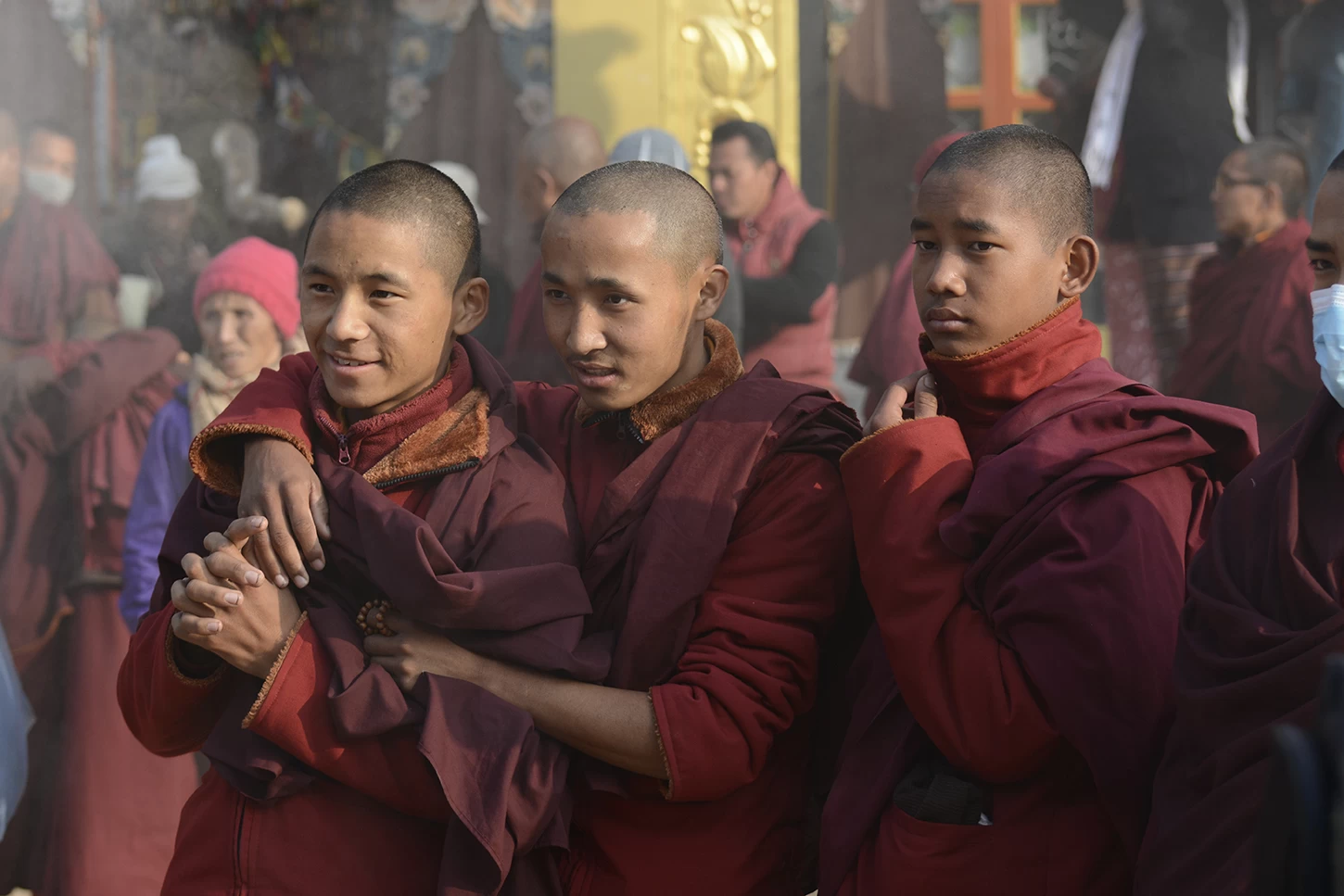
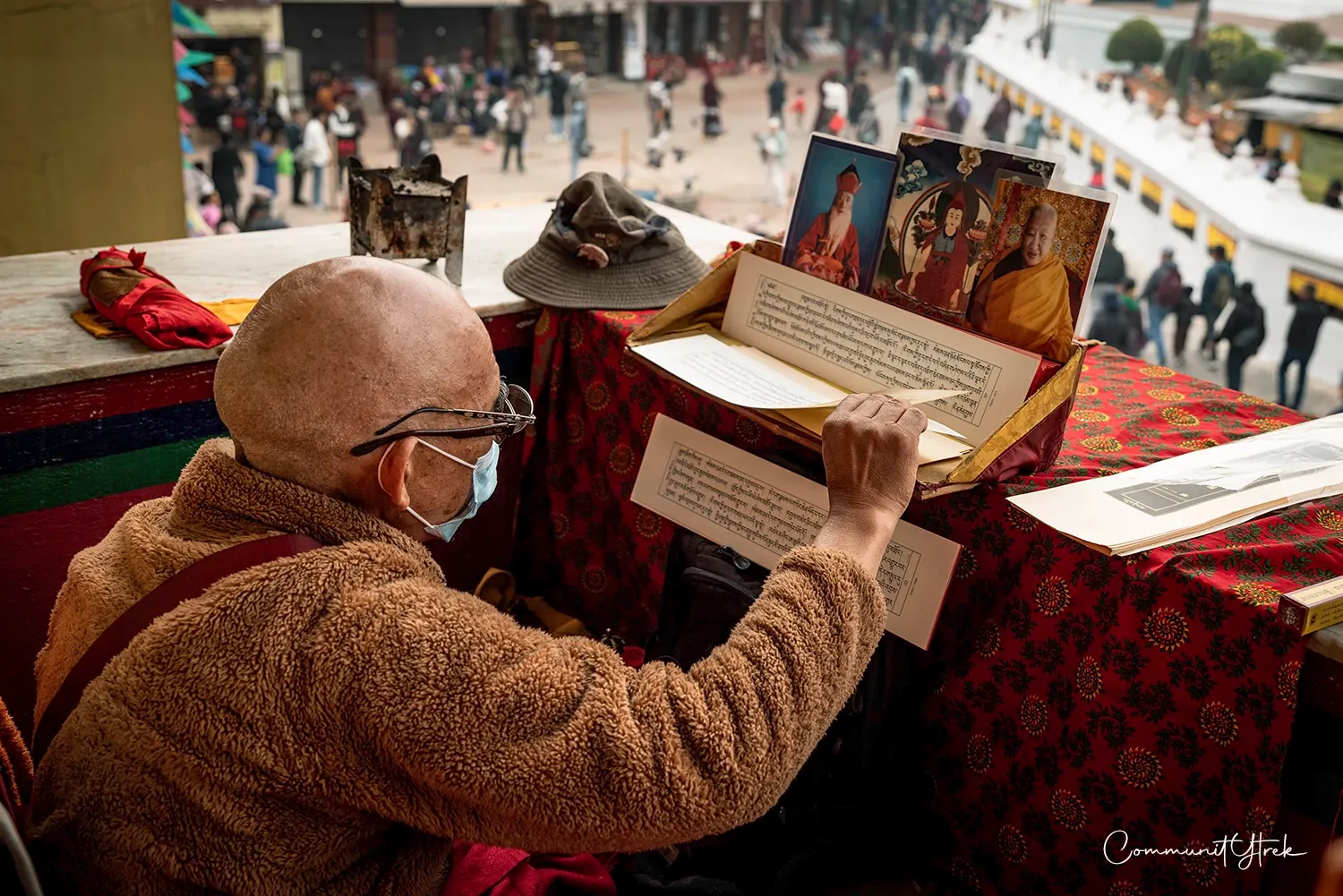
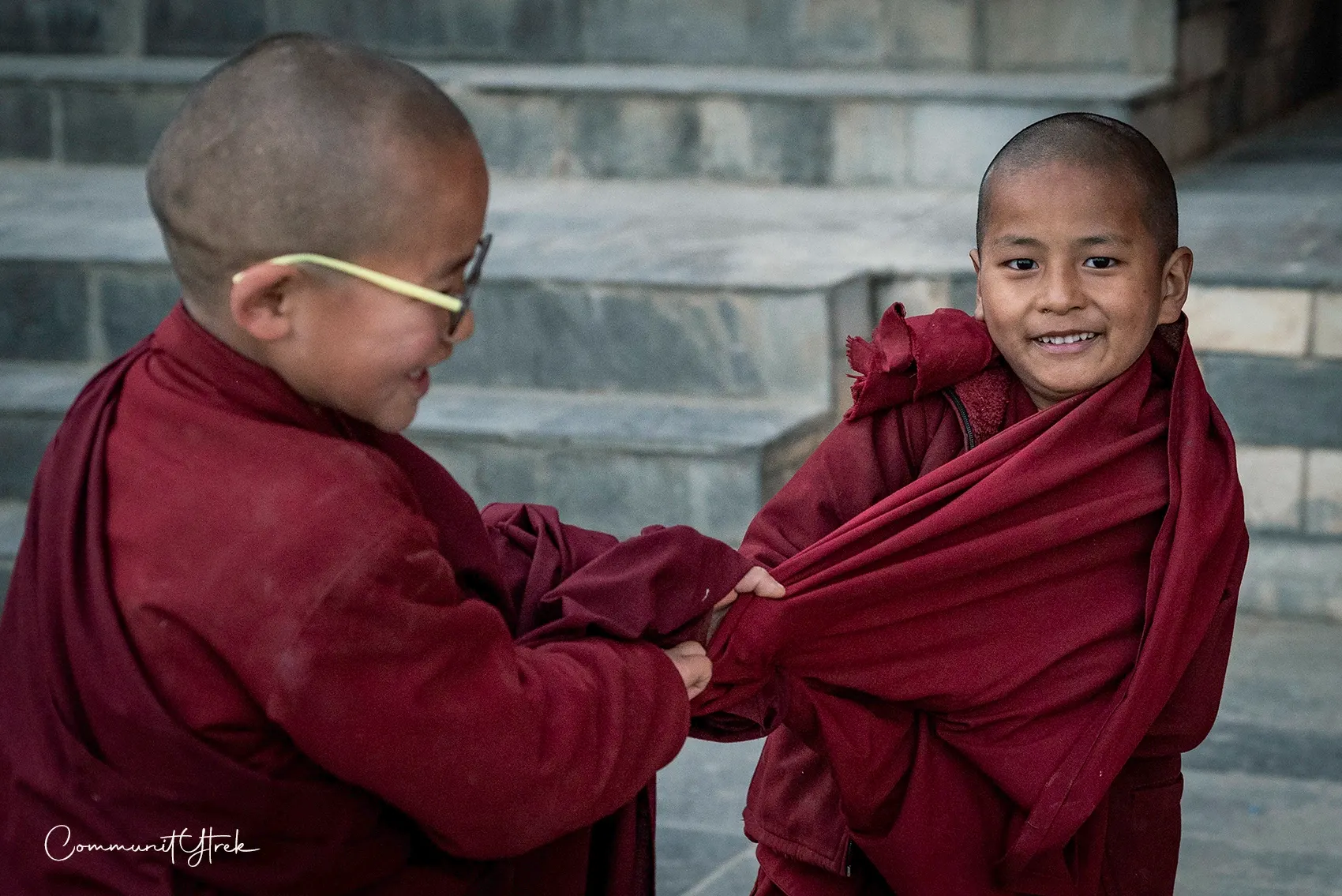
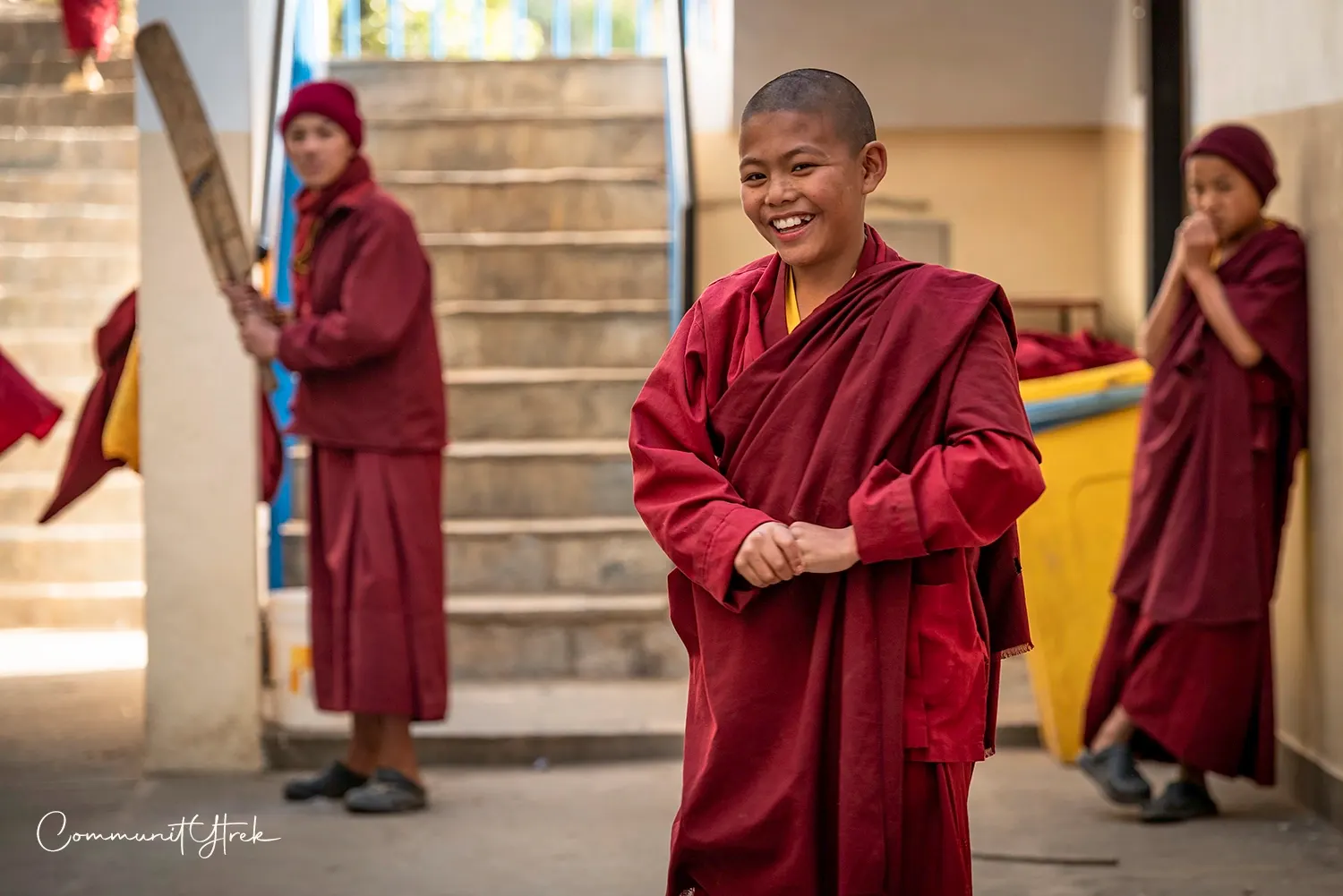
Nepal's Buddhist heritage creates some of the most atmospheric photography opportunities in the Himalayas. Photograph prayer flags, mani walls, ancient architecture, monastery courtyards, butter lamps, prayer wheels, and mountain monasteries surrounded by dramatic landscapes.
Places such as Tengboche, Thame, Tsum Valley, Manaslu, Mustang, and the Langtang region offer distinctive cultural and architectural environments.
Hindu Temples and Kathmandu Valley
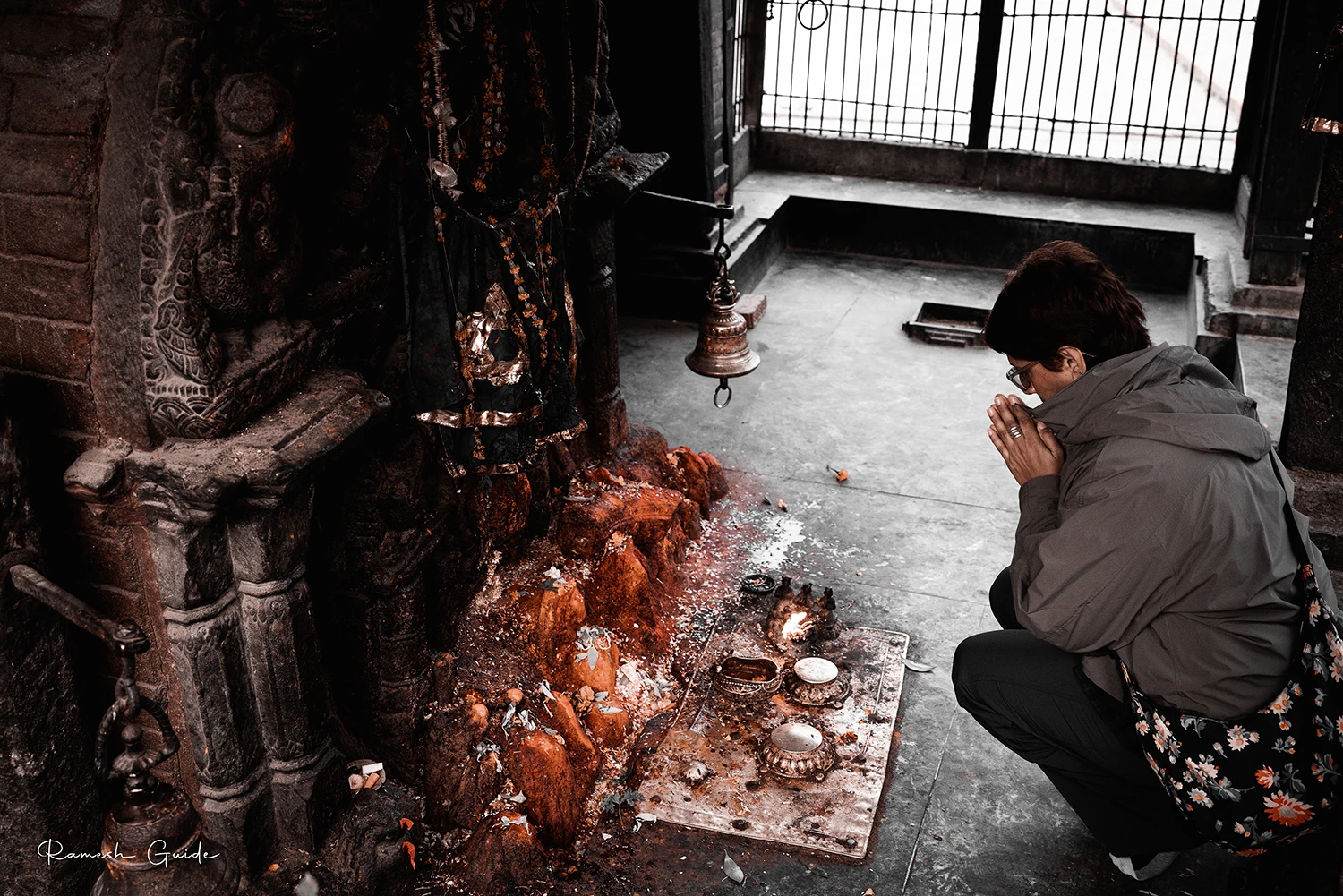
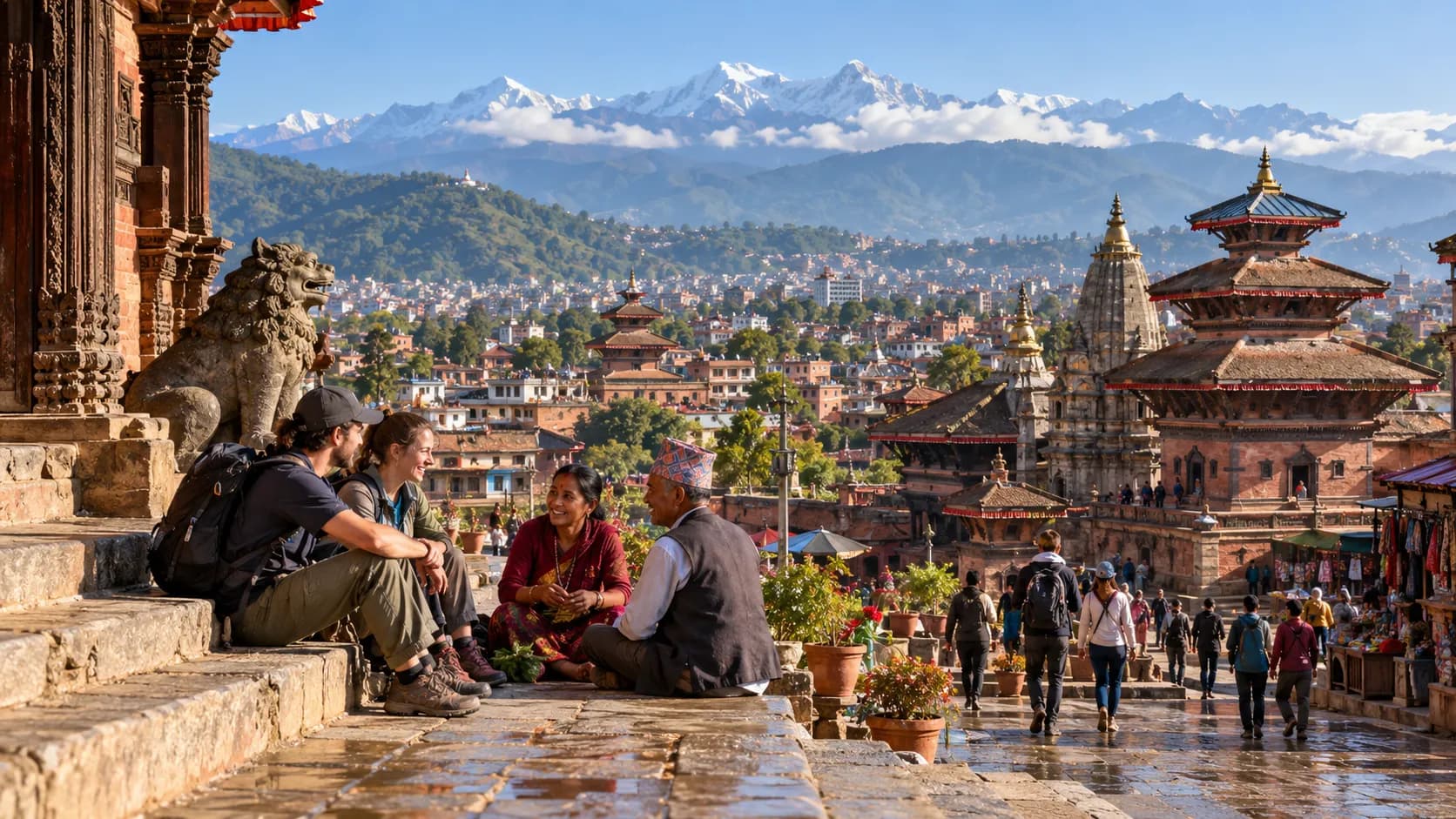
The Kathmandu Valley is a photographer's paradise. Ancient courtyards, temples, statues, traditional architecture, narrow alleys, local markets, festivals, and religious ceremonies create a fascinating mixture of color, texture, movement, and history.
Photography opportunities can be found around historic heritage areas, including Kathmandu, Bhaktapur, and Patan, where traditional Newari architecture provides an entirely different visual experience from the high Himalayas.
People and Portrait Photography

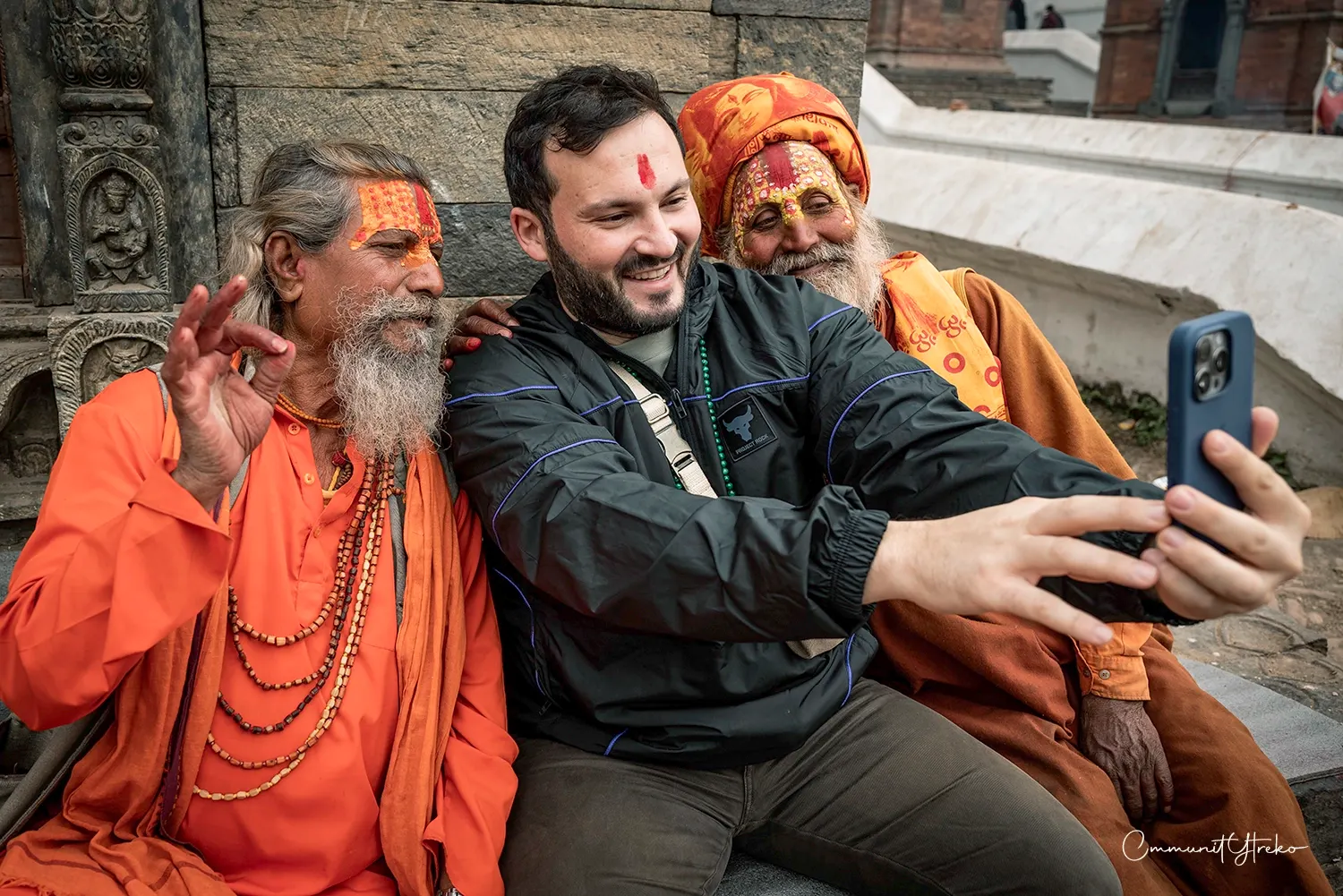
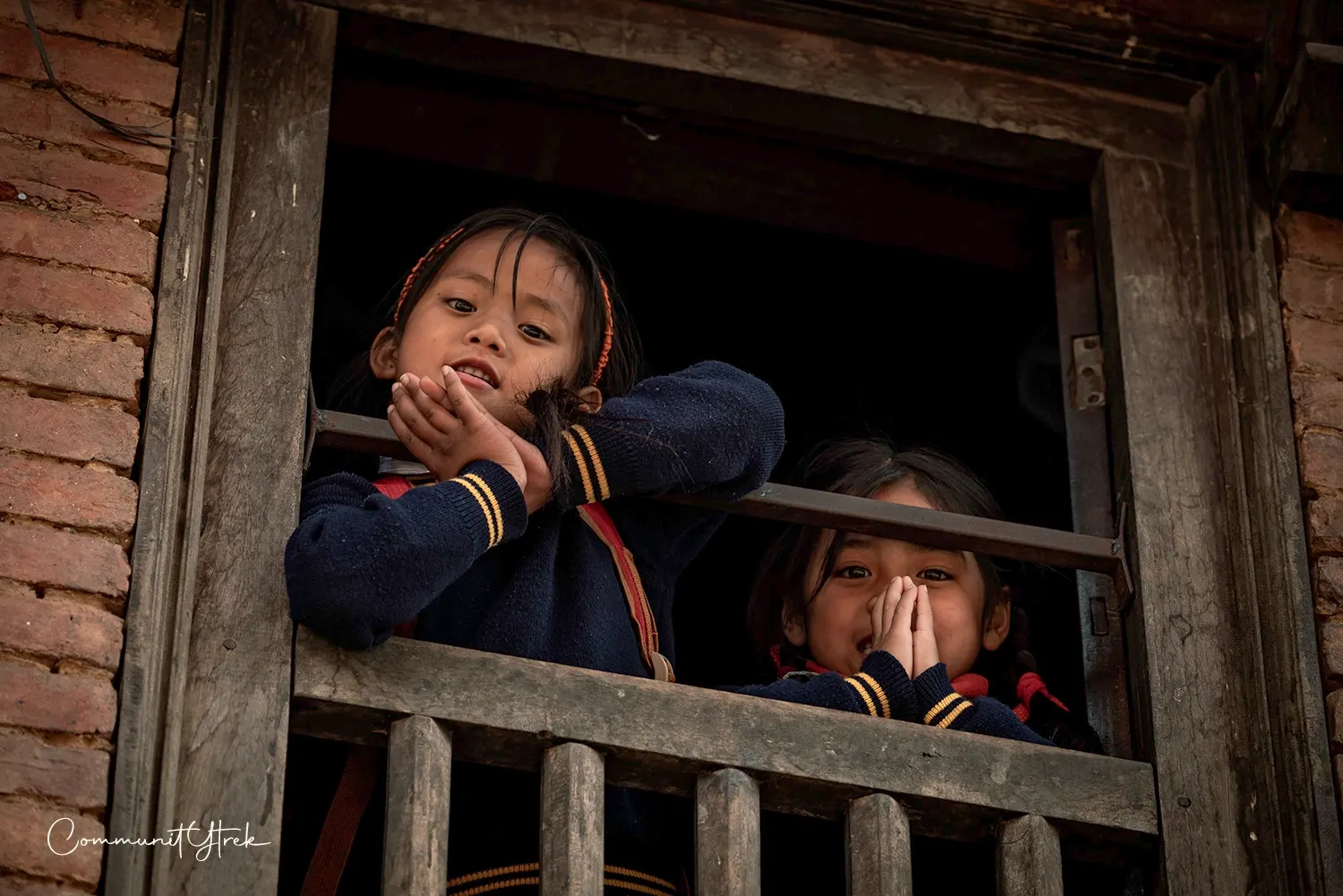
Nepal's people are one of its greatest photographic treasures. From mountain communities and farmers to monks, artisans, traders, guides, and local families, human stories give a photography journey its emotional depth.
The best portraits are rarely taken by simply pointing a camera at a stranger. They come from connection, patience, conversation, and respect. Our guides can help create natural opportunities for interaction and communication.
Wildlife and Nature Photography
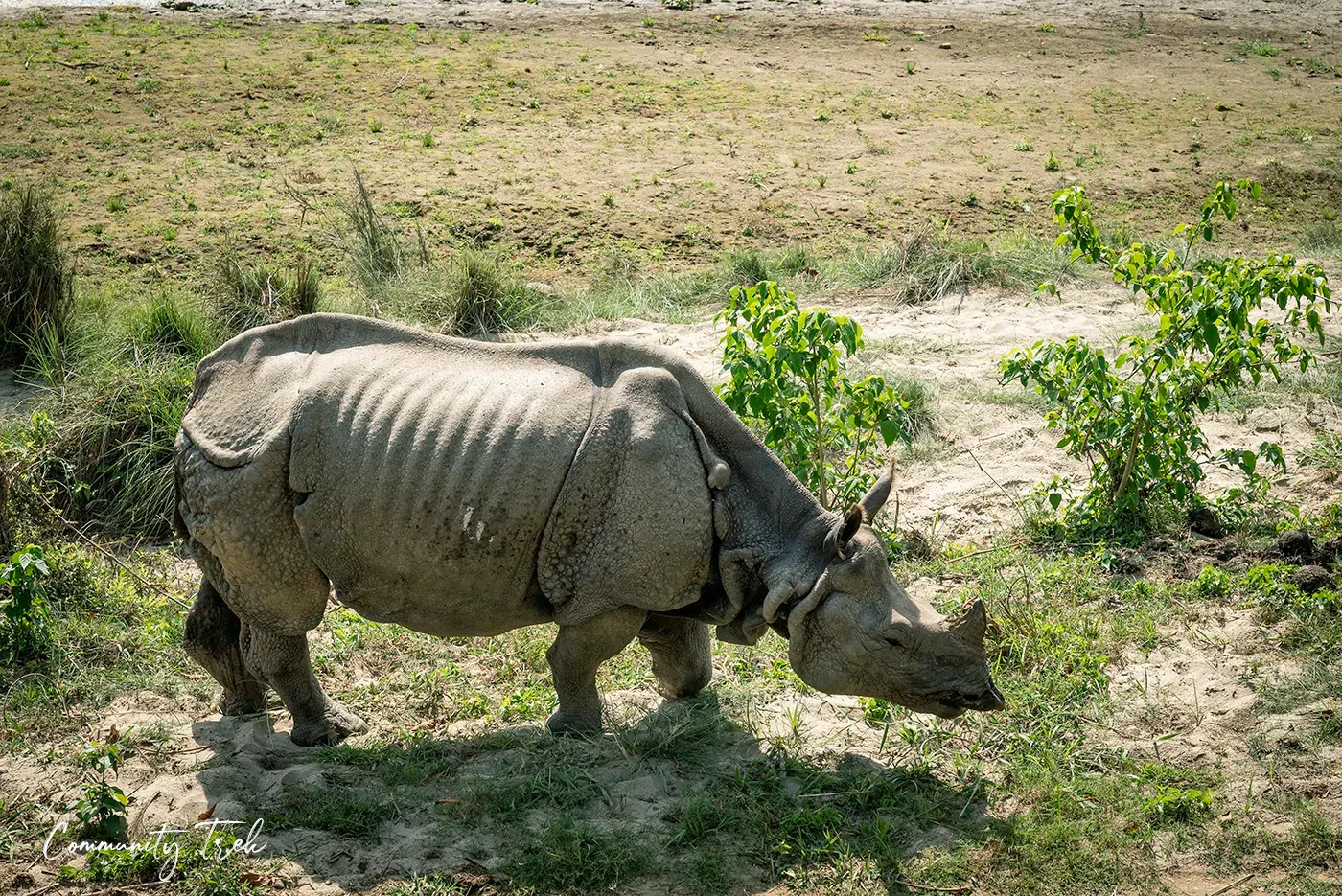
Nepal is also an exceptional destination for wildlife photography. Depending on your itinerary, you can photograph one-horned rhinoceros, Bengal tigers, elephants, crocodiles, birds, deer, monkeys, and diverse Himalayan and subtropical landscapes.
A photography tour can be combined with destinations such as Chitwan National Park or Bardia National Park for a completely different photographic experience.
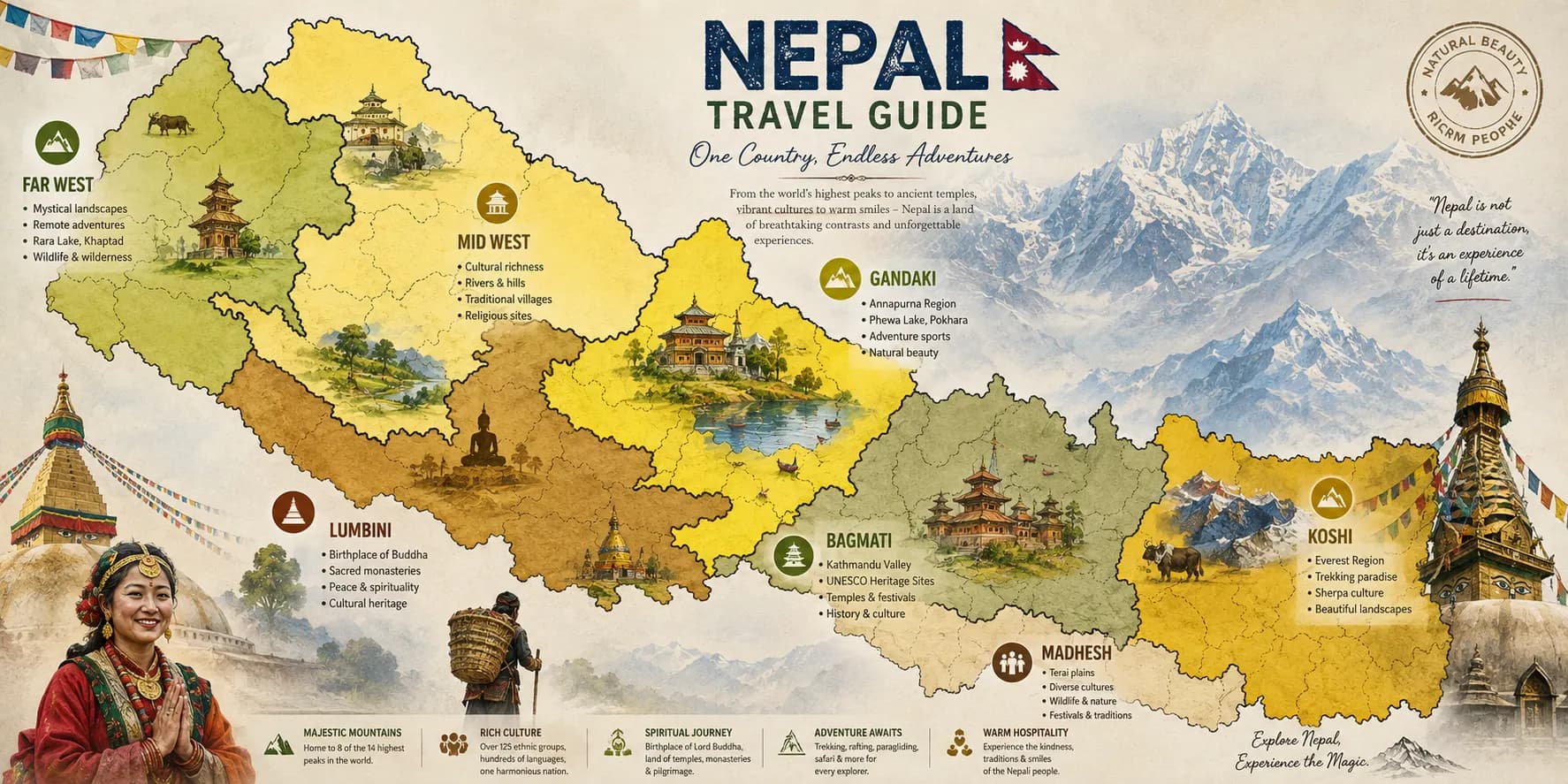
The Best Photography Destinations in Nepal
Kathmandu Valley – Culture, Architecture & Street Photography
Begin your photography journey among ancient temples, historic squares, traditional courtyards, local markets, and vibrant streets. Kathmandu Valley is ideal for photographers who enjoy culture, architecture, documentary photography, and street scenes.
Everest Region – The Ultimate Himalayan Story
The Everest region offers iconic mountain photography combined with Sherpa culture. Photograph Namche Bazaar, Tengboche Monastery, Ama Dablam, Everest viewpoints, mountain trails, suspension bridges, and traditional Sherpa villages.
For photographers, the journey itself becomes part of the story.
Annapurna Region – Mountains & Village Life
The Annapurna region provides extraordinary diversity, from lush valleys and traditional villages to dramatic mountain panoramas. It is an excellent choice for photographers seeking a balance between landscape, culture, portraits, and trekking photography.
Manaslu Region – Remote Himalayan Photography
For photographers who prefer quieter trails and authentic mountain environments, the Manaslu region offers remote villages, Tibetan-influenced culture, ancient monasteries, dramatic valleys, and spectacular Himalayan scenery.
Tsum Valley – Culture, Monasteries & Hidden Landscapes
Tsum Valley is particularly attractive for photographers interested in Tibetan Buddhist culture, traditional villages, monasteries, mountain landscapes, and documentary photography. The valley feels far removed from modern life and offers a deeply atmospheric photographic journey.
Mustang – The Desert of the Himalayas
Upper Mustang is one of Nepal's most distinctive photography destinations. Its dramatic cliffs, ancient caves, whitewashed villages, monasteries, barren landscapes, and Tibetan-influenced culture create an environment unlike anywhere else in Nepal.
The combination of deep blue skies, earthy landscapes, ancient architecture, and Himalayan light makes Mustang a dream destination for landscape and travel photographers.
Langtang – Mountains Close to Kathmandu
Langtang is an excellent option for photographers who want a Himalayan experience without committing to a very long expedition. The region combines mountain landscapes, forests, Tamang culture, villages, monasteries, and spectacular Himalayan scenery.
Chitwan & Bardia – Wildlife Photography
For photographers who want to move beyond mountains, Nepal's national parks offer a completely different visual world. Wildlife safaris provide opportunities to photograph rhinos, crocodiles, birds, deer, elephants, and, with patience and luck, the Bengal tiger.
What Makes a Community Trek Photography Tour Different?
A photography tour should not feel like a bus tour with cameras.
At Community Trek, the goal is to create a journey where photography becomes a way of understanding Nepal. We focus on the right location, the right time of day, changing weather, cultural experiences, and opportunities to photograph naturally.
Our itineraries can be designed around your interests. If you love landscapes, we can prioritize mountain viewpoints and sunrise locations. If you prefer portraits and documentary photography, we can spend more time in villages and communities. If wildlife is your passion, we can include national parks. If you are interested in culture, we can build the journey around temples, monasteries, festivals, and local traditions.
Your camera is not the destination. The story is.
Photography Styles You Can Explore
A Nepal photography tour can include:
- Landscape photography
- Himalayan mountain photography
- Sunrise and sunset photography
- Travel photography
- Street photography
- Portrait photography
- Documentary photography
- Cultural photography
- Architecture photography
- Wildlife photography
- Astro and night-sky photography
- Drone photography where legally permitted
- Social media and content-creator photography
Best Time for Photography in Nepal
Spring – March to May
Spring brings warmer weather, blooming rhododendrons, colorful landscapes, and excellent opportunities for mountain and nature photography. The forests can become especially beautiful in the higher trekking regions.
Autumn – September to November
Autumn is widely considered one of the best periods for Himalayan photography. After the monsoon, the atmosphere is often clearer, the mountains are spectacular, and villages and landscapes are beautifully illuminated by crisp Himalayan light.
Winter – December to February
Winter can provide exceptionally clear mountain views and dramatic snow-covered landscapes. Higher regions become colder, so appropriate equipment and clothing are essential.
Monsoon – June to August
Rain does not mean Nepal stops being photogenic. Monsoon brings clouds, mist, lush green landscapes, waterfalls, dramatic skies, and atmospheric village scenes. Photographers who enjoy mood and nature photography can find wonderful opportunities during this season.
Photography Tips for Nepal
Wake up early.
Some of Nepal's most beautiful light appears before most travelers are awake.
Carry a telephoto lens.
Mountain details, distant peaks, village scenes, wildlife, and compressed landscapes become much more interesting with a longer lens.
Do not photograph only the mountains.
A photograph of a mountain is beautiful. A photograph showing a person, prayer flag, village, trail, and mountain together can tell a much stronger story.
Respect local culture.
Always ask before taking close-up portraits, especially during religious ceremonies. Some places may have photography restrictions.
Protect your equipment.
Dust, rain, cold, and changing temperatures can challenge cameras and lenses. Carry protective covers and keep spare batteries warm at high altitude.
Leave room for spontaneity.
The most memorable photograph of your trip may not be the one you planned.
Recommended Photography Equipment
You do not need the most expensive camera to photograph Nepal. A well-prepared kit is more important than a large collection of equipment.
A useful setup may include:
- Mirrorless or DSLR camera
- Wide-angle lens for landscapes
- Telephoto or zoom lens for mountains and portraits
- Lightweight tripod
- Extra batteries
- Extra memory cards
- Lens cleaning cloth
- Rain and dust protection
- Polarizing filter
- Neutral-density filter if desired
- Headlamp
- Power bank
- Portable storage or backup system
For trekking photography, keeping your equipment lightweight is particularly important.
Photography Ethics: Photograph with Respect
Beautiful photographs should never come at the expense of the people or places being photographed.
Ask permission when appropriate. Avoid interrupting religious ceremonies. Do not enter restricted areas simply for a better photograph. Respect local customs, private spaces, and sacred places. When photographing children, be especially thoughtful and seek permission from a parent or guardian.
The goal is not simply to take photographs from Nepal, but to create photographs with respect for Nepal.
Who Is a Nepal Photography Tour For?
Our photography tours are suitable for a wide range of travelers, including professional photographers, amateur photographers, travel bloggers, content creators, couples, solo travelers, families, and photography enthusiasts.
You do not need to be an expert photographer. If you know how to use a camera, a smartphone, or simply want to learn, Nepal provides an extraordinary classroom.
Can Beginners Join a Photography Tour?
Absolutely. Photography experience is not a requirement.
Our journey can be adapted to your skill level, whether you are learning composition and exposure for the first time or looking for advanced opportunities in landscape, portrait, documentary, or wildlife photography.
The most important thing is curiosity.
Can Photography Tours Be Customized?
Yes. A custom Nepal photography tour can be designed around your preferred destinations, photography style, travel dates, fitness level, budget, and available time.
You can create a journey focused entirely on Himalayan landscapes, or combine mountains with culture, villages, wildlife, festivals, and heritage sites.
Possible combinations include:
Kathmandu + Everest Region
Kathmandu + Annapurna
Kathmandu + Manaslu
Kathmandu + Tsum Valley
Kathmandu + Mustang
Kathmandu + Langtang
Kathmandu + Chitwan
Kathmandu + Bardia
A Day on a Nepal Photography Tour
A typical photography day may begin before sunrise. You wake early, walk to a viewpoint, and wait as the first light slowly touches the mountains. After breakfast, the journey continues through villages and forests, stopping whenever the landscape or a cultural moment tells you to stop.
The afternoon may be spent exploring a monastery, photographing local life, or simply waiting for changing weather. As the sun begins to fall, you return to another viewpoint for golden-hour photography.
After dinner, you may review your images, back up your files, and prepare for another morning of photography.
The schedule is flexible because great photographs rarely follow a clock.
What You Will Take Home
At the end of the journey, you will return with more than memory cards full of photographs.
You will have walked through mountain villages, shared moments with local people, watched sunrise over the Himalayas, listened to monastery bells, crossed suspension bridges, tasted local food, and experienced landscapes that cannot be fully understood through photographs alone.
The best Nepal photography tour leaves you with images that make people stop scrolling and stories that make you want to return.
Start Your Nepal Photography Journey with Community Trek
Nepal is waiting, not just to be photographed, but to be experienced.
Whether your dream is to capture Mount Everest glowing at sunrise, a Sherpa village beneath Ama Dablam, prayer flags moving across a Himalayan pass, the timeless streets of Kathmandu, the ancient monasteries of Mustang, or a tiger moving silently through the Terai, Community Trek can help turn that dream into a carefully planned photographic journey.
Bring your camera. Bring your curiosity. Leave room for the unexpected.
Community Trek - Nepal Photography Tours
See the mountains. Meet the people. Experience the culture. Capture the story.